Mesum Ali Irfani

November 2026

Aerospace and Robotics Engineer

UAV Design & Propulsion · Motion Planning & Control

I work on motion planning and safety-certified control for autonomous vehicles, from sampling-based global planners to NMPC with control barrier functions. My research is grounded in five years of hands-on UAV hardware work, where I now lead propulsion development.

Latest News

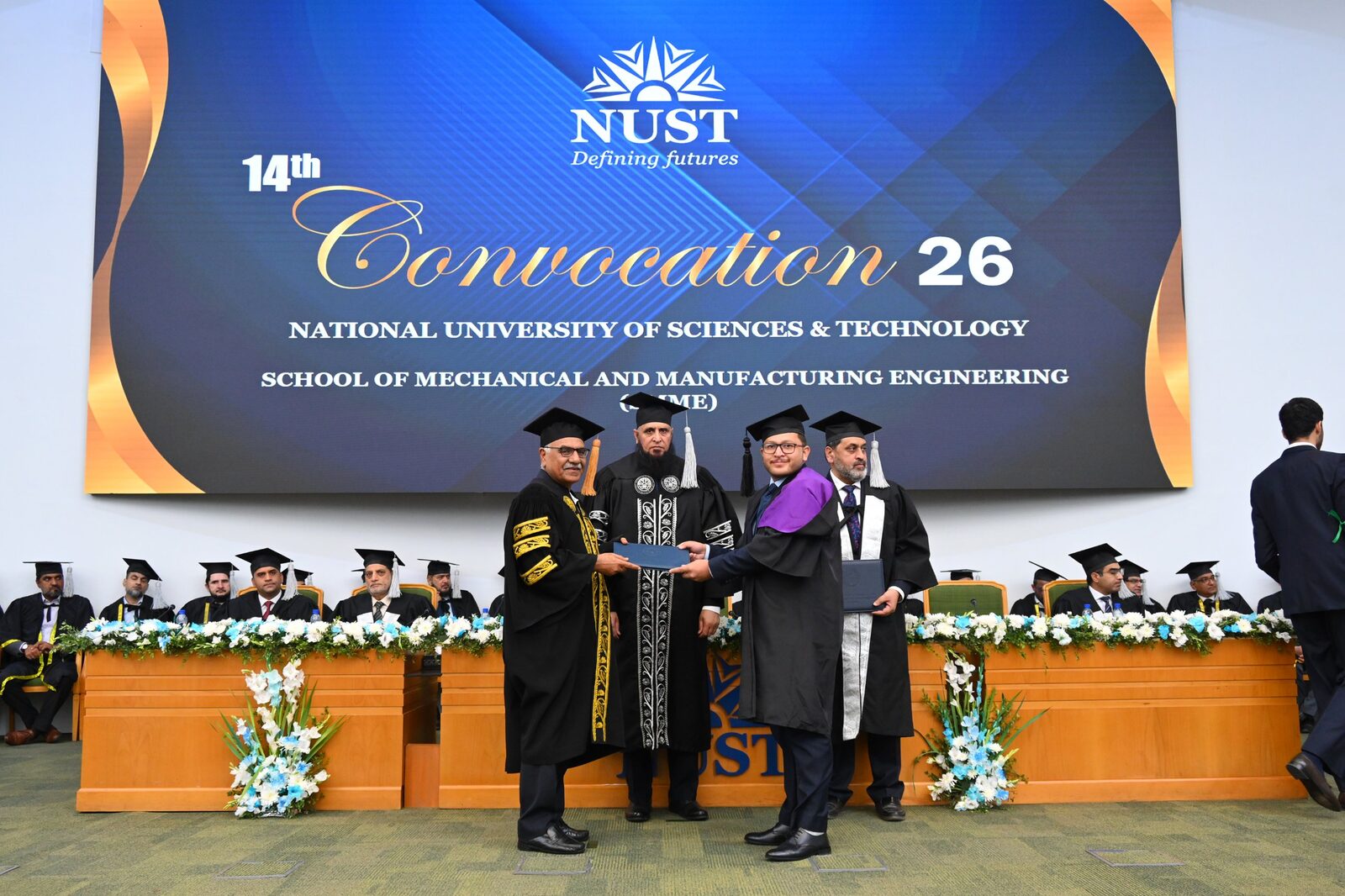
Receiving the MS degree at the NUST convocation

Oct 2026

MS degree awarded at NUST convocation

Graduated with an MS in Robotics and Intelligent Machine Engineering, CGPA 3.95 / 4.0.

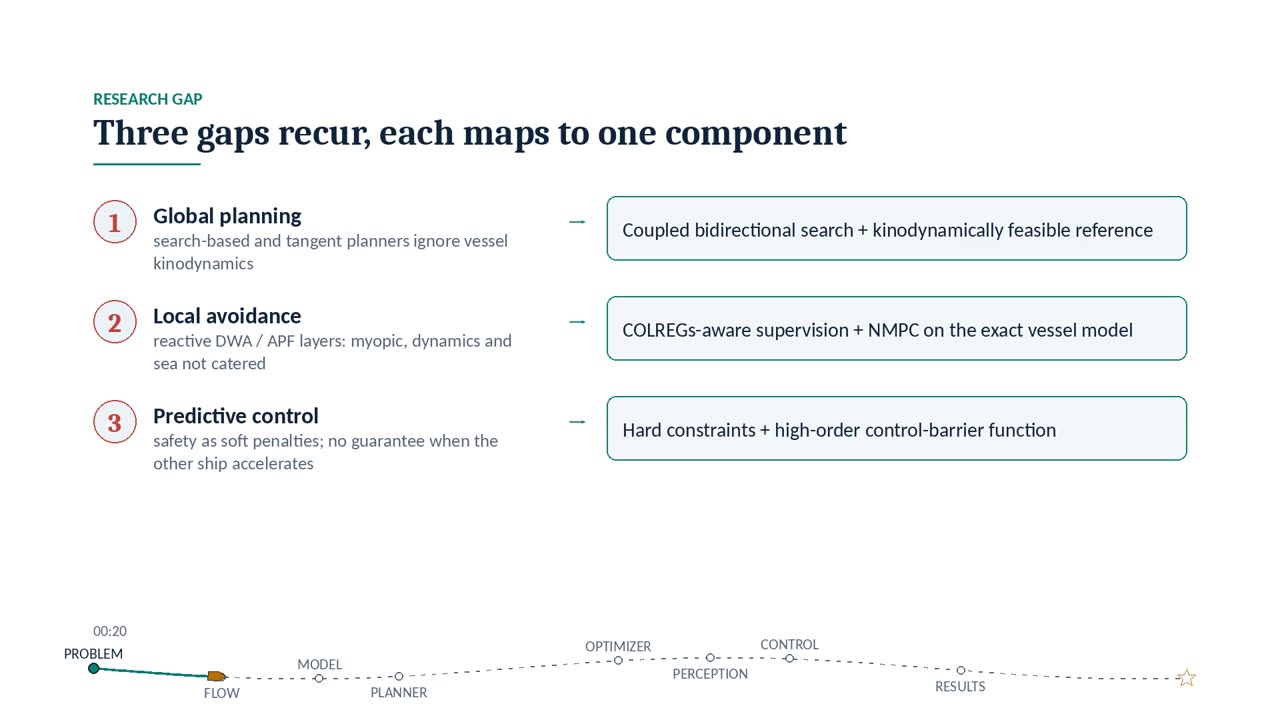
Thesis summary slide

Aug 2026

MS thesis accepted with Grade A

"Obstacle Avoidance for Marine Robots", a hybrid planning and control framework for USVs. Watch the 3-minute summary

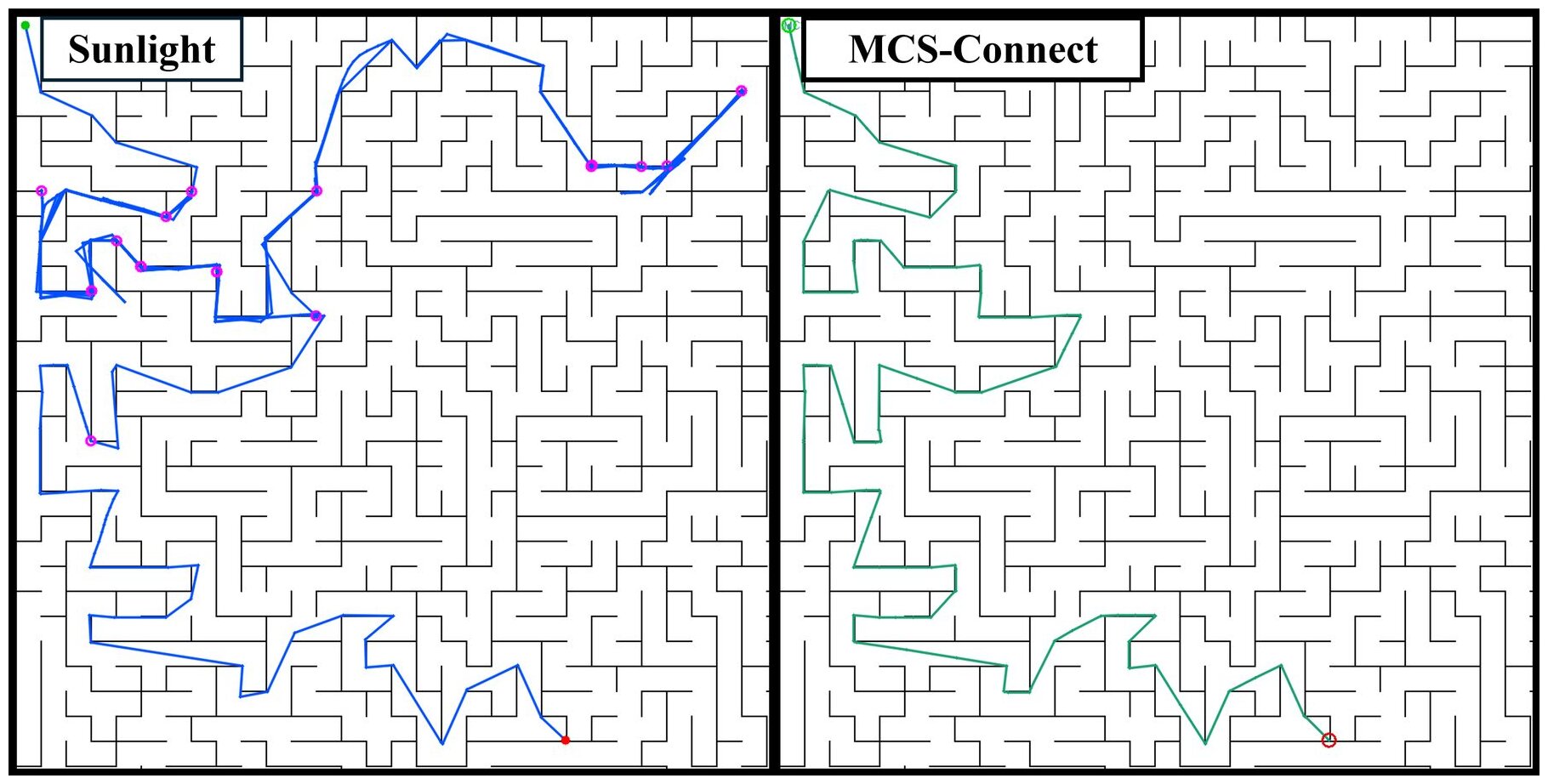
Paths planned by the Sunlight Algorithm and MCS-Connect in a maze

2026

Journal paper under review at Ocean Engineering

On MCS-Connect, a bidirectional path planner with adaptive inter-tree attraction. Publications

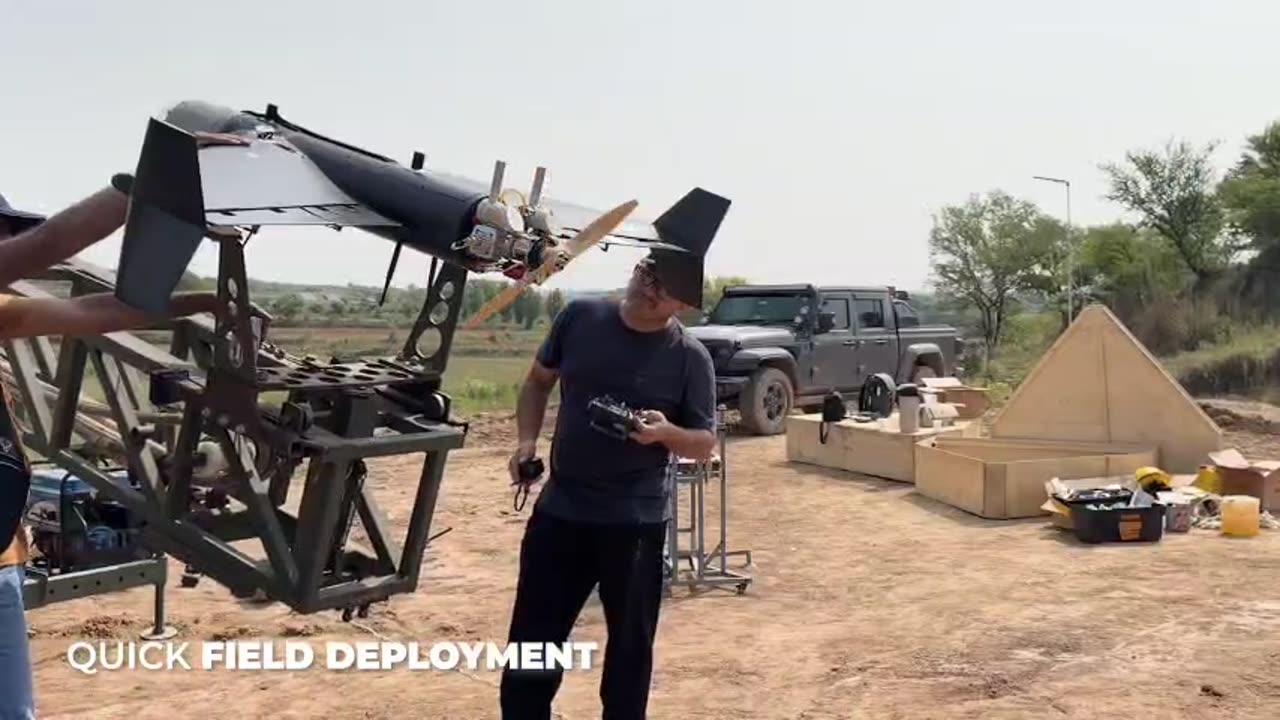
Mesum at the launcher with the ground control transmitter

2026

Flight test campaign

On the field with the propulsion team for catapult launch and flight testing of a fixed-wing UAV. Watch

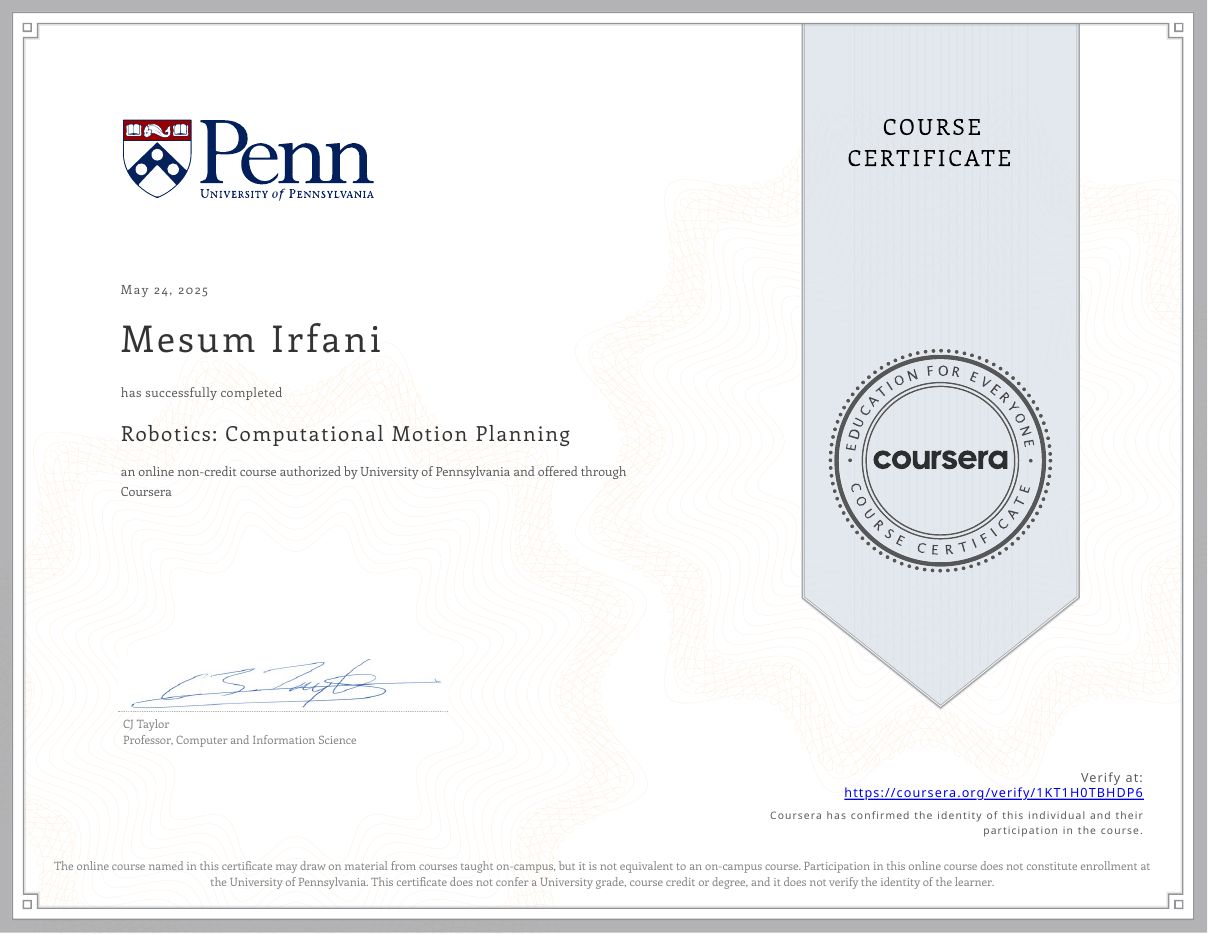
Coursera certificate

May 2025

Completed Robotics: Computational Motion Planning

University of Pennsylvania, via Coursera. View certificate

About Me

Islamabad, Pakistan

My research focuses on how autonomous vehicles decide where to go and how to get there safely: path planning in cluttered environments, trajectory optimization, and model predictive control with formal safety guarantees. I hold an MS in Robotics and Intelligent Machine Engineering from NUST, where my thesis built a full planning and control stack for unmanned surface vehicles.

Before robotics, I trained as an aerospace engineer (BS, Institute of Space Technology, cum laude), with coursework in flight and spacecraft dynamics and control. For almost five years at NaqCoDE Technologies I have worked on fixed-wing UAVs, and I now lead the propulsion team. That work keeps my research grounded in real vehicle dynamics, actuators and hardware limits.

I am seeking funded PhD opportunities in robotics, motion planning and control for aerial and marine autonomous systems.

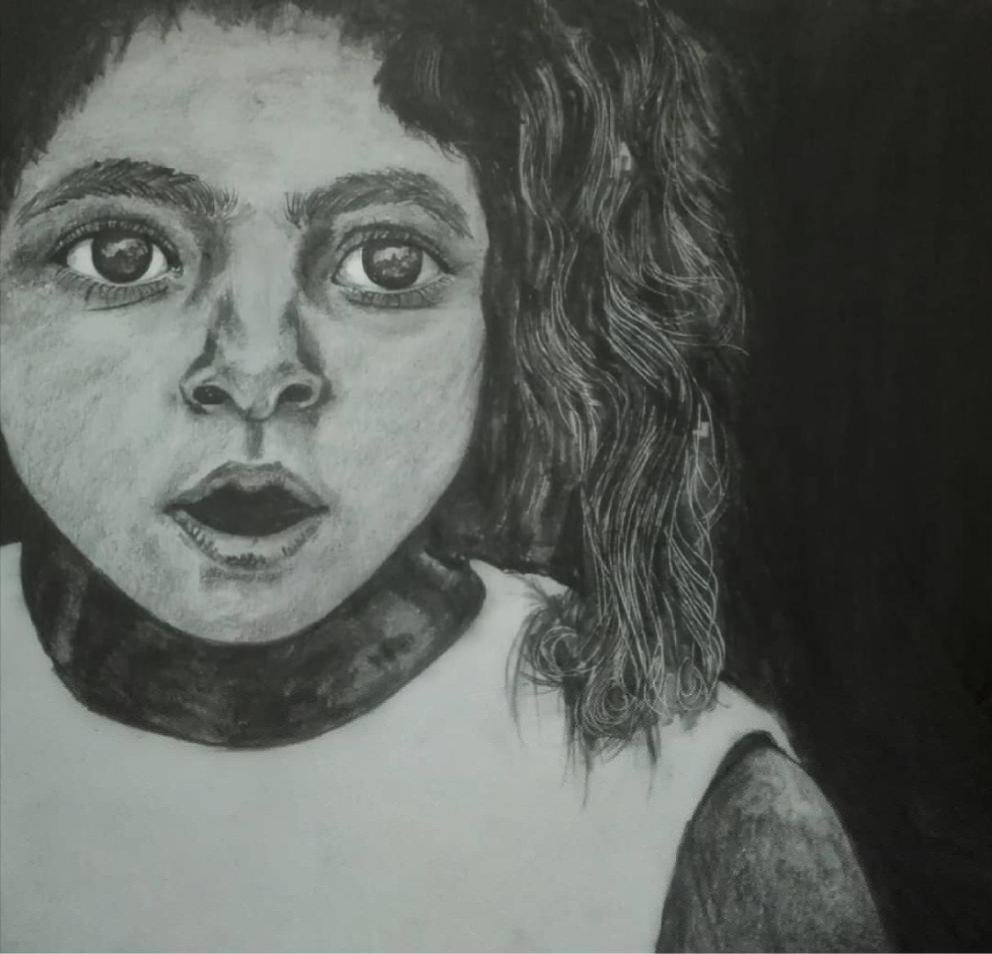
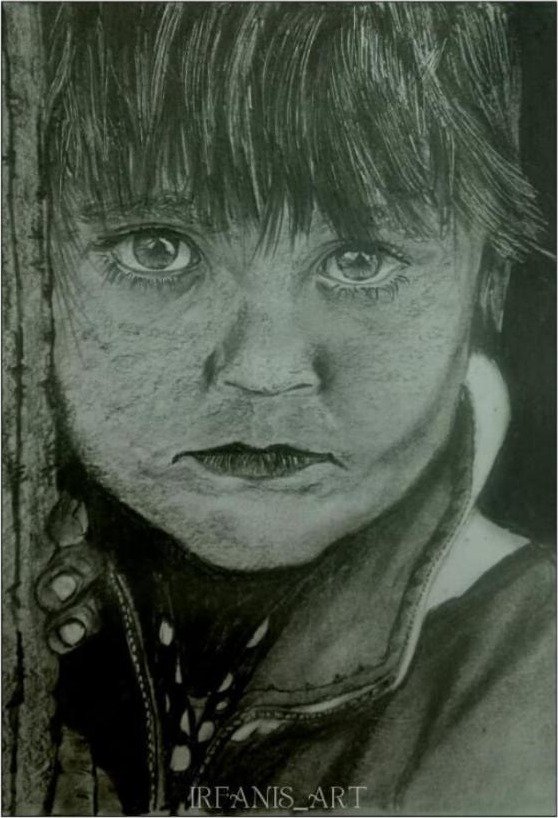
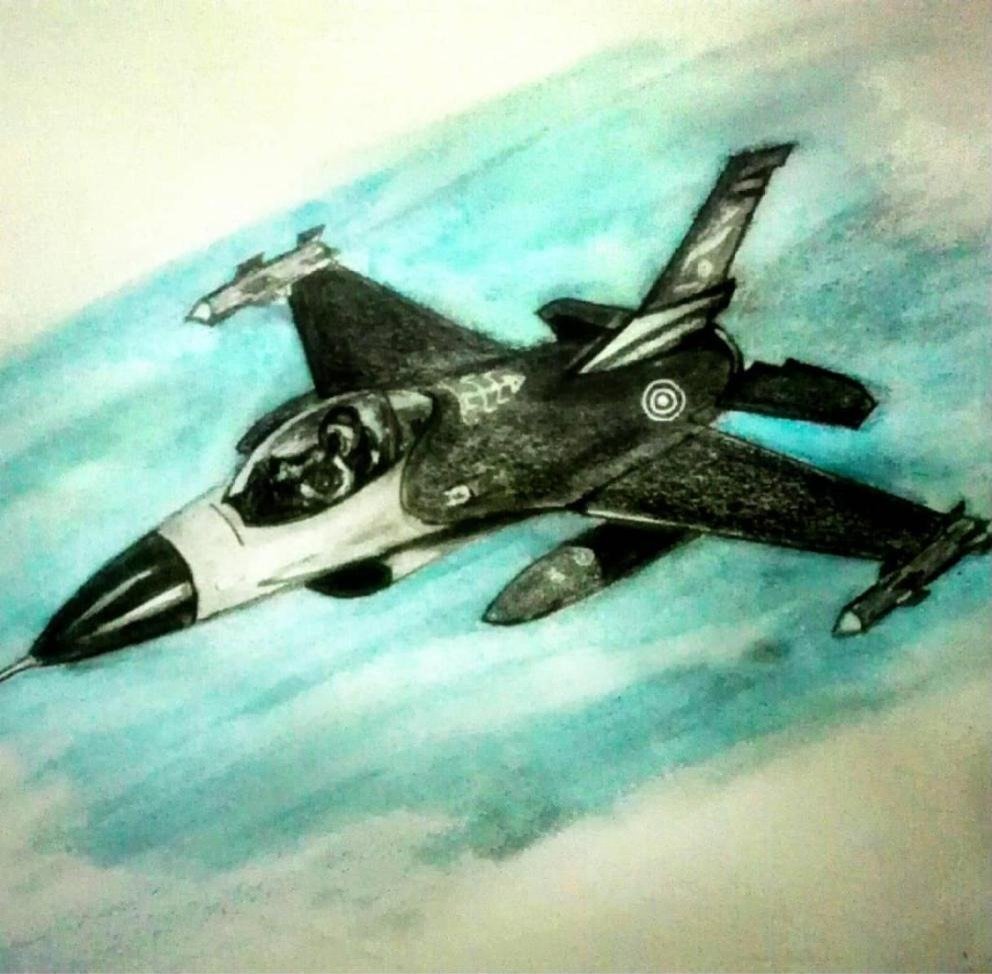
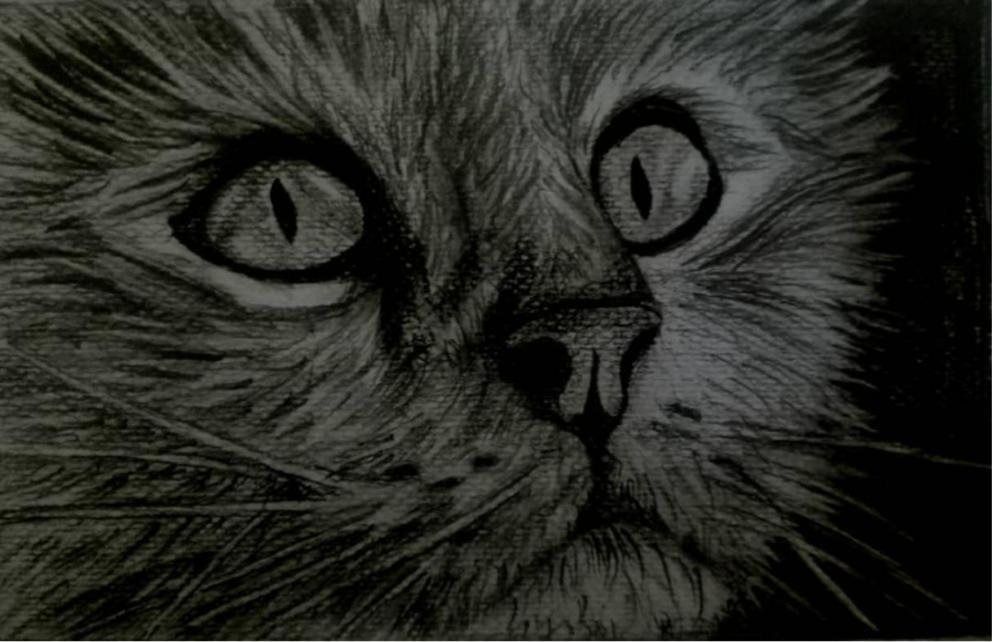
Outside engineering I draw and paint, mostly Arabic calligraphy and graphite portraits. A selection is on the Art tab.

Research Interests

  • Sampling-based and kinodynamic motion planning
  • Trajectory optimization
  • Nonlinear MPC and safety-critical control (CBFs)
  • Autonomy for marine and aerial vehicles
  • State estimation and multi-target tracking
  • Propulsion-aware vehicle design and control

Skills

Motion Planning

RRT family, bidirectional and kinodynamic planning, B-spline optimization, COLREGs-aware navigation, statistical benchmarking

Control & Estimation

NMPC (acados), control barrier functions, IMM tracking, disturbance observers, flight and spacecraft dynamics

Robotics Software

ROS 2, Gazebo, SLAM, Python, MATLAB, embedded C / C++, Git, LaTeX

Propulsion & Analysis

Piston engines, micro turbines, solid rocket motors, propeller matching, CFD, FEA, FSI (ANSYS)

Obstacle Avoidance for Marine Robots

MS Thesis · NUST · Grade A

A hybrid global and local planning and control framework for unmanned surface vehicles in cluttered, dynamic marine environments, with safety certified at the control layer. Supervised by Dr. Khawaja Fahad Iqbal.

Thesis summary, 3 min: problem, framework, planner, perception, control and results.
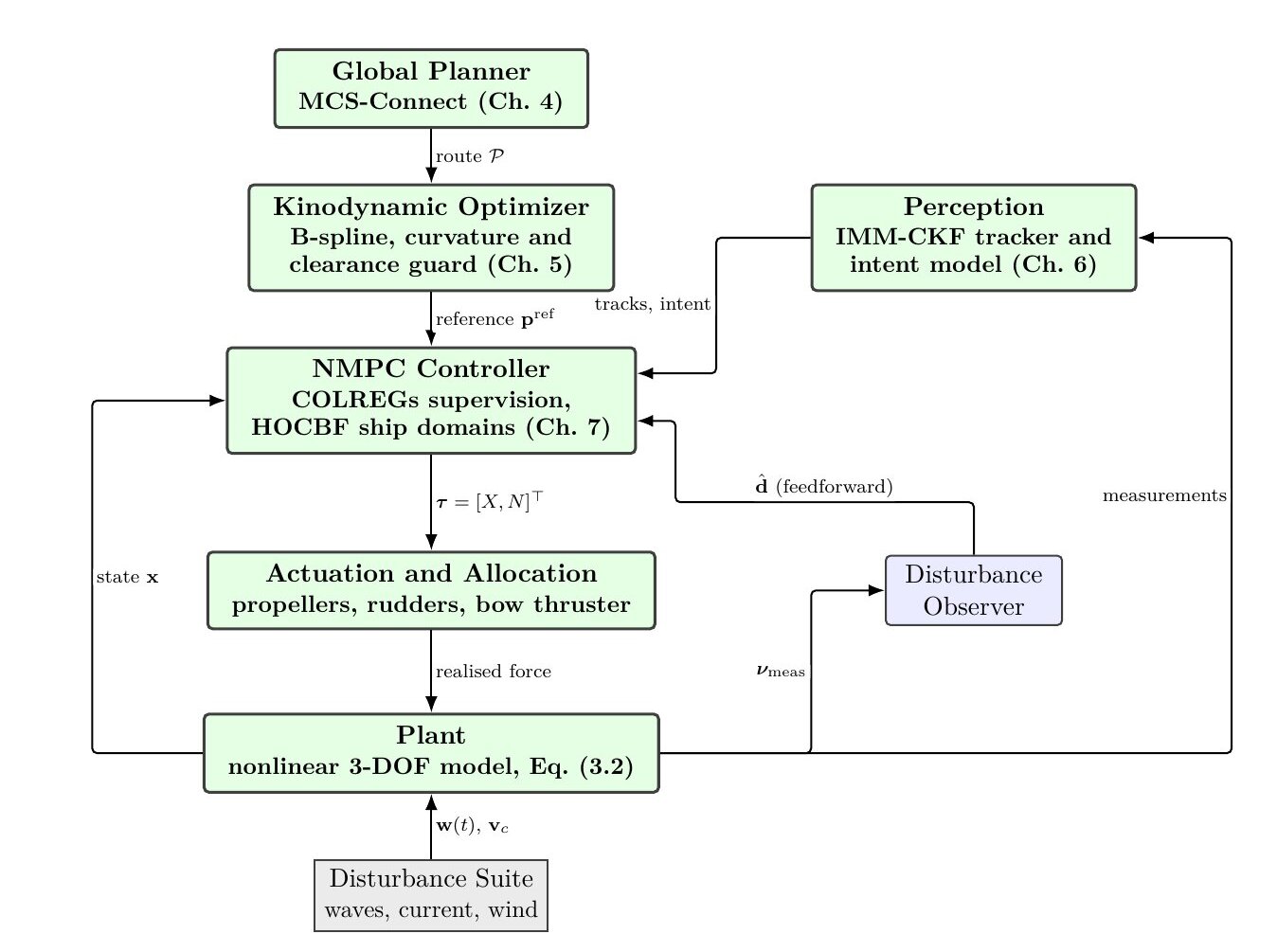
Layered navigation architecture: planner, kinodynamic optimizer, NMPC, perception and disturbance observer
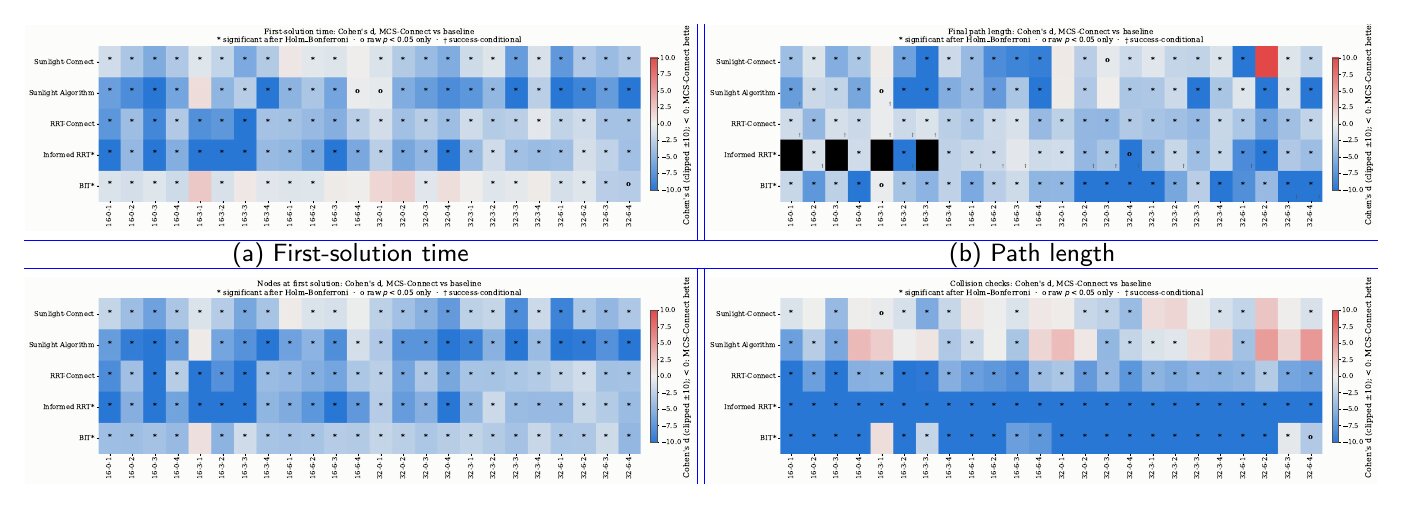
Effect sizes of MCS-Connect against five baselines across 24 scenarios
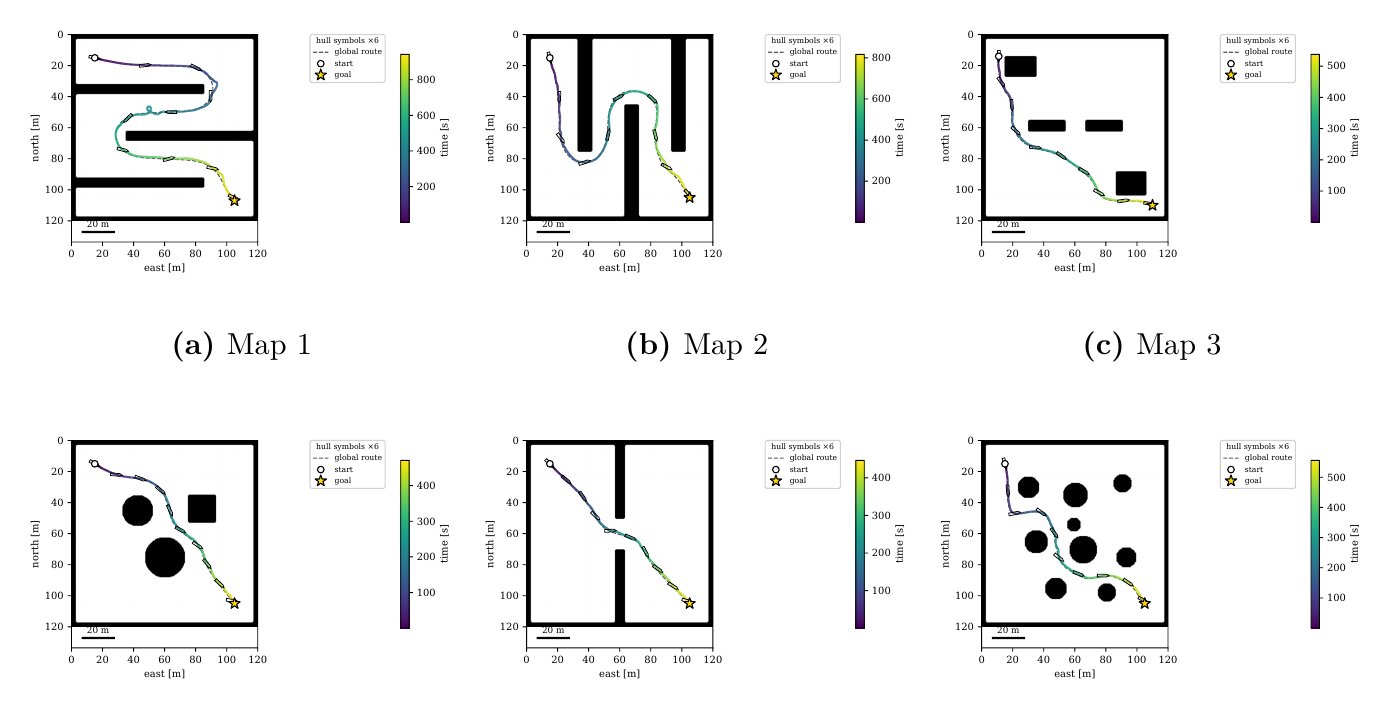
Closed-loop tracks on six maps under the full sea state
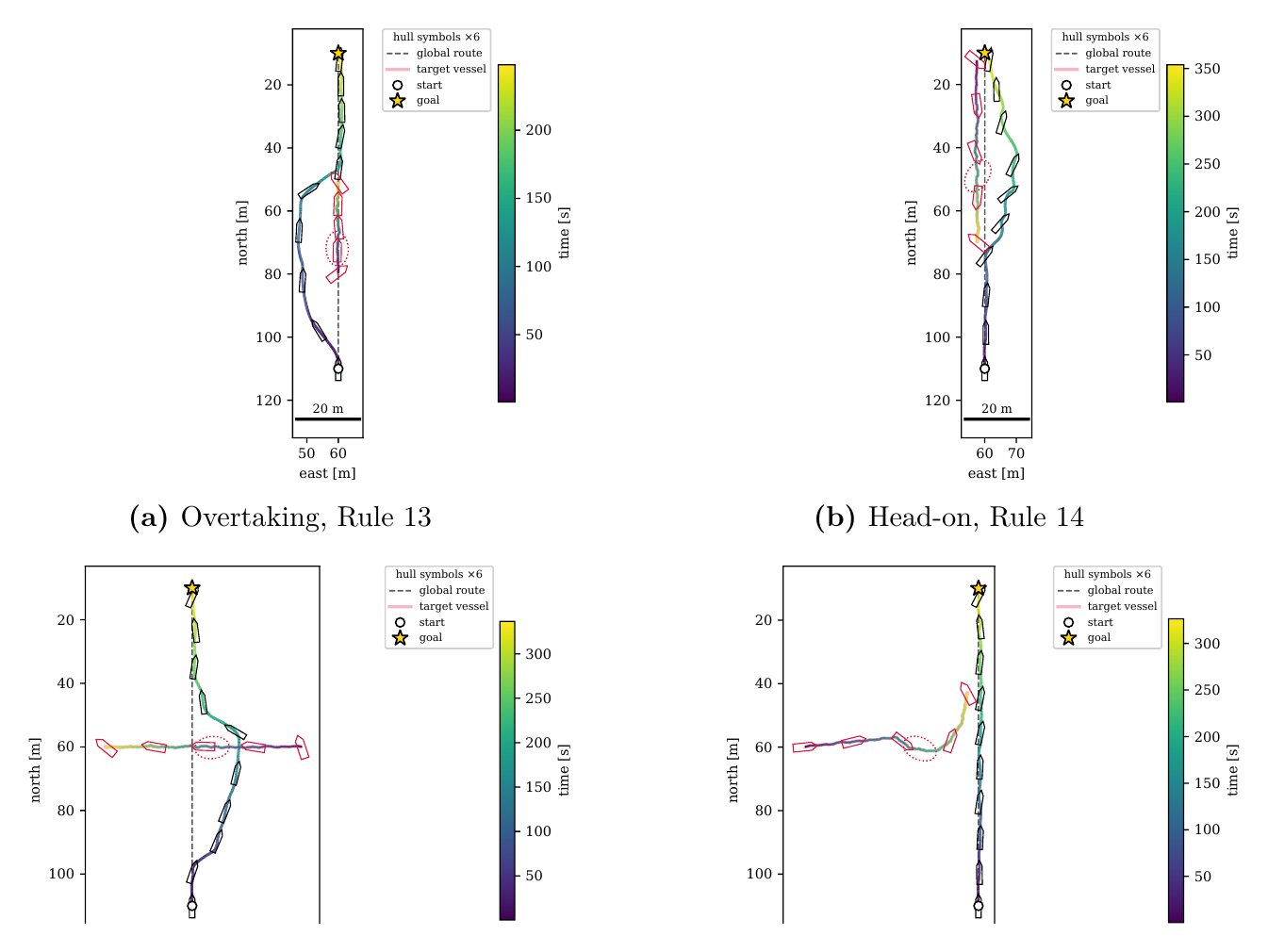
The four canonical COLREGs encounters: overtaking, head-on, crossing give-way and stand-on
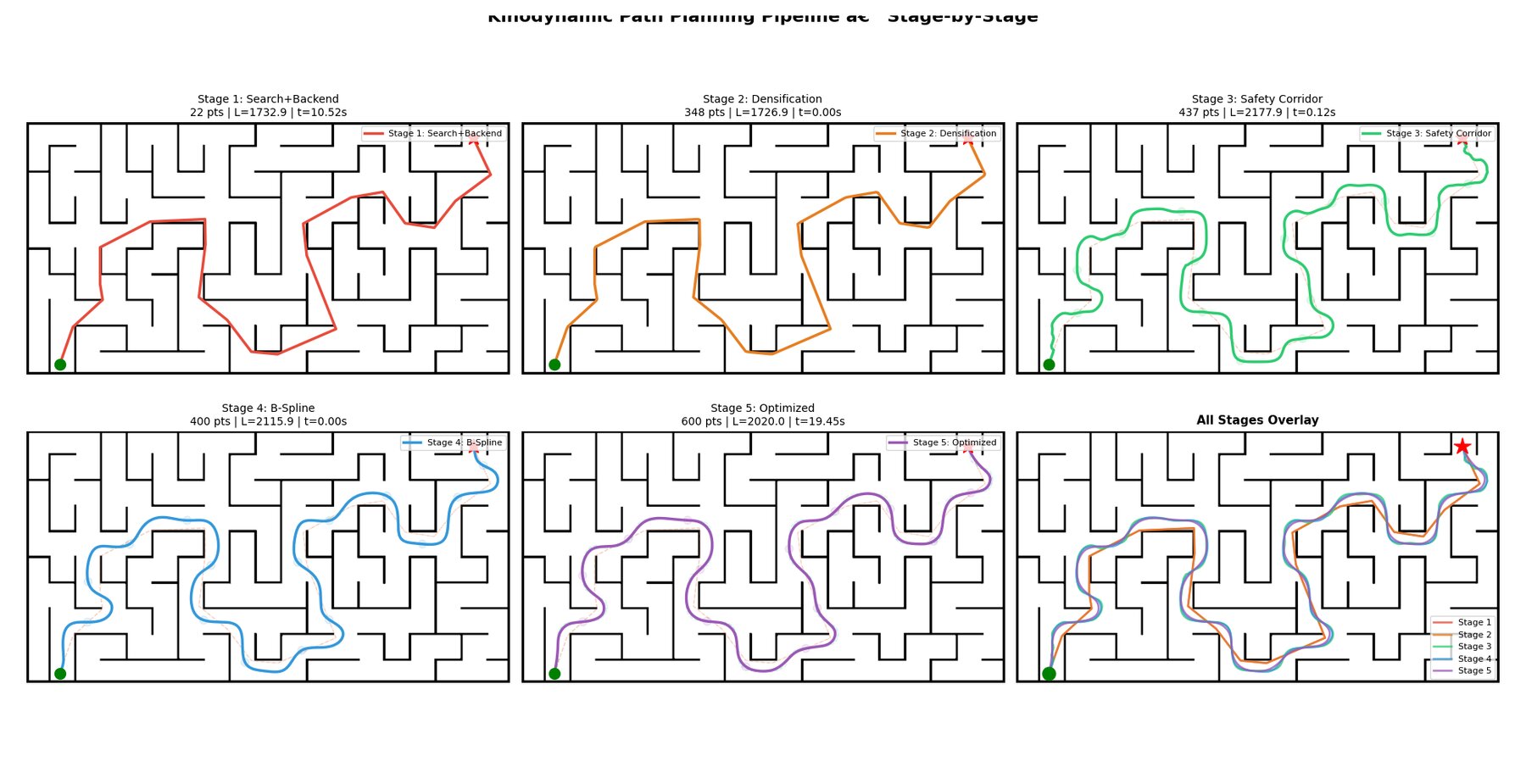
Kinodynamic pipeline stage by stage: raw path, densification, clearance guard, B-spline, final

Architecture

  • Global planner: MCS-Connect, a bidirectional sampling planner with adaptive inter-tree magnetic coupling and an obstacle-proximity penalty.
  • Trajectory layer: B-spline kinodynamic optimizer with a clearance-preserving smoothing guard.
  • Local layer: COLREGs-supervised NMPC (acados) on the 3-DOF Fossen CyberShip II model, with high-order control barrier functions as safety certificates.
  • Perception and robustness: IMM multi-target tracking and a disturbance observer for waves, current and wind.
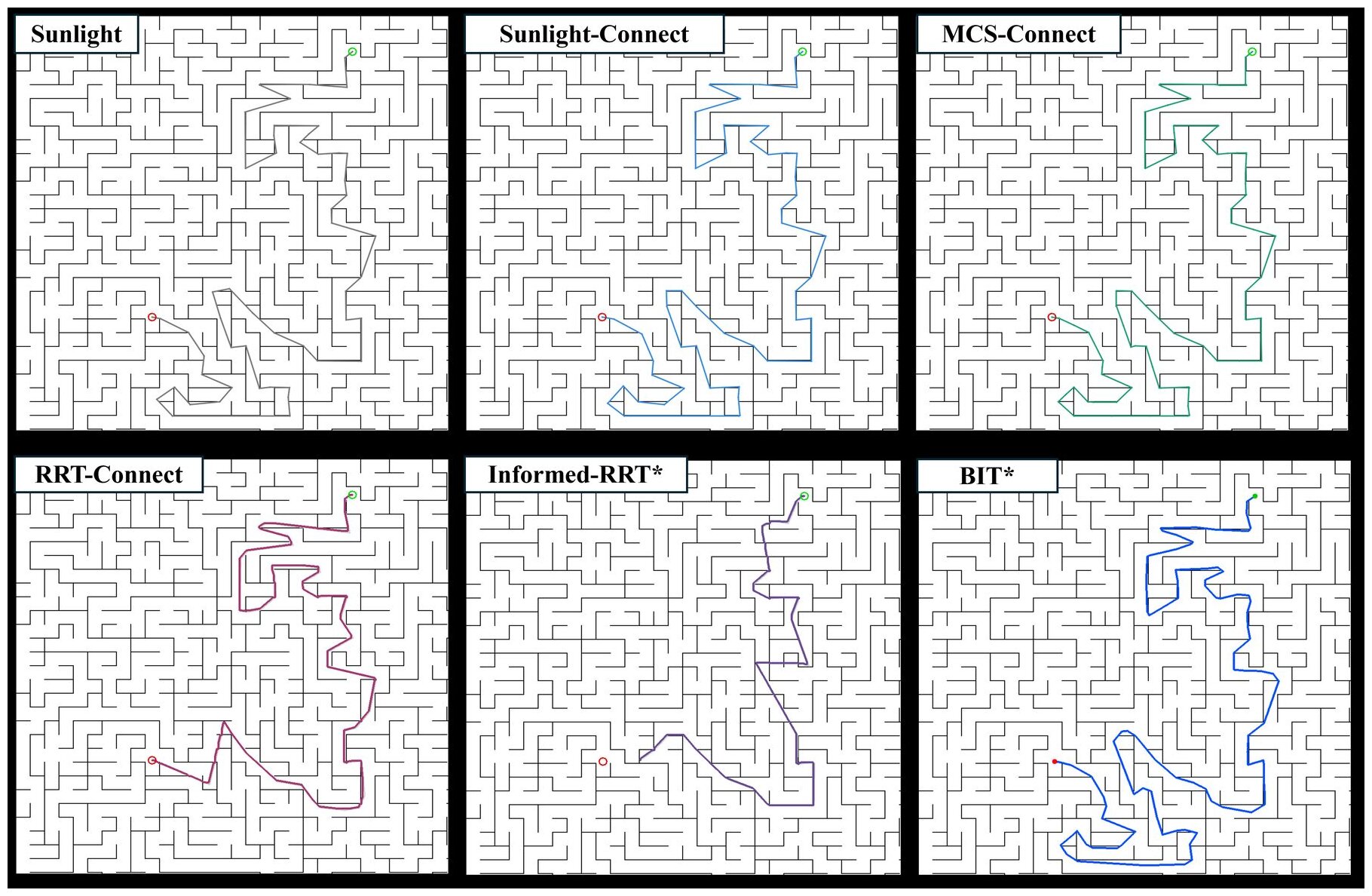
  • Validation: a 14,400-run statistically tested benchmark against RRT-Connect, Informed RRT* and BIT*, plus a closed-loop scenario campaign.
PythonacadosNMPCCBFCOLREGsBayesian optimization

Technical Projects

Robotics · Planning · Control

Ongoing Projects

Research · Planning · Journal paper under review

MCS-Connect: magnetically coupled bidirectional path planning

A bidirectional sampling-based global planner for USVs in cluttered water. Two Sunlight-style trees grow toward each other under an adaptive inter-tree attraction, with an obstacle-proximity penalty that keeps paths away from walls. Tuned by Bayesian optimization, and benchmarked over 14,400 runs against the Sunlight Algorithm, Sunlight-Connect, RRT-Connect, Informed RRT* and BIT* on custom maps, MovingAI mazes and real archipelagic charts, with Welch tests and Cohen's d for every scenario. Current work extends the planner with formal completeness and optimality analysis.

Bidirectional searchSampling-based planningStatistical benchmarkingPython
Animation
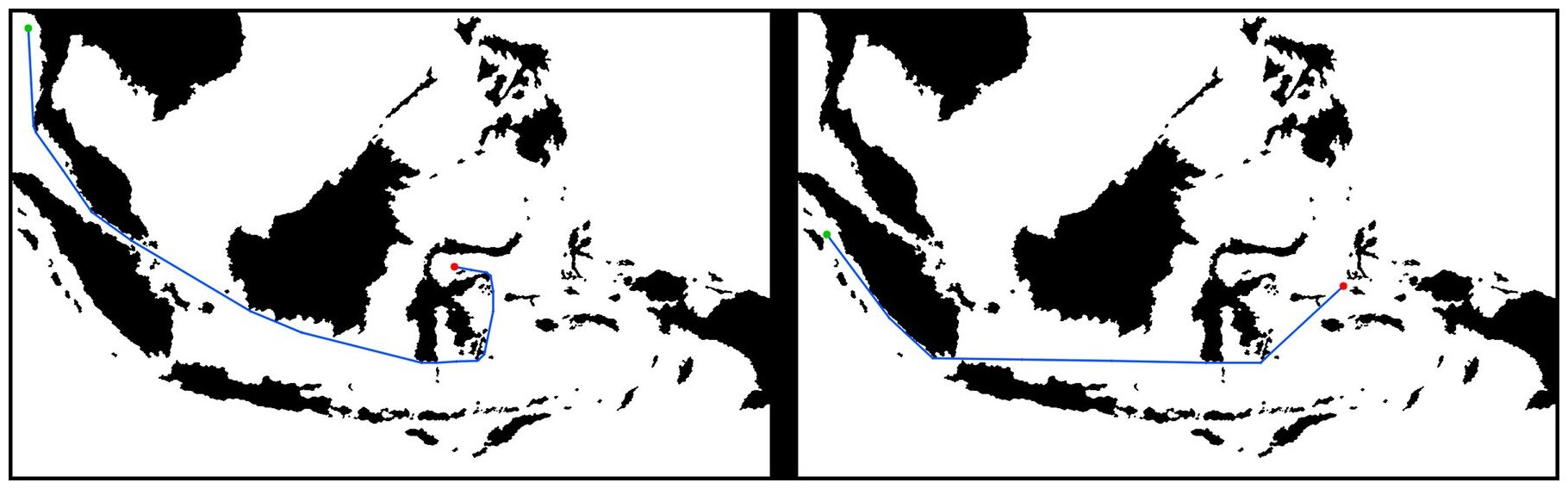
Planned paths: six planners, Sunlight vs MCS-Connect, and archipelagic waters
Qualitative paths on a dense maze: MCS-Connect against five baselines
Paths planned on a real archipelagic-water chart
Per-scenario effect sizes: first-solution time, path length, nodes, collision checks
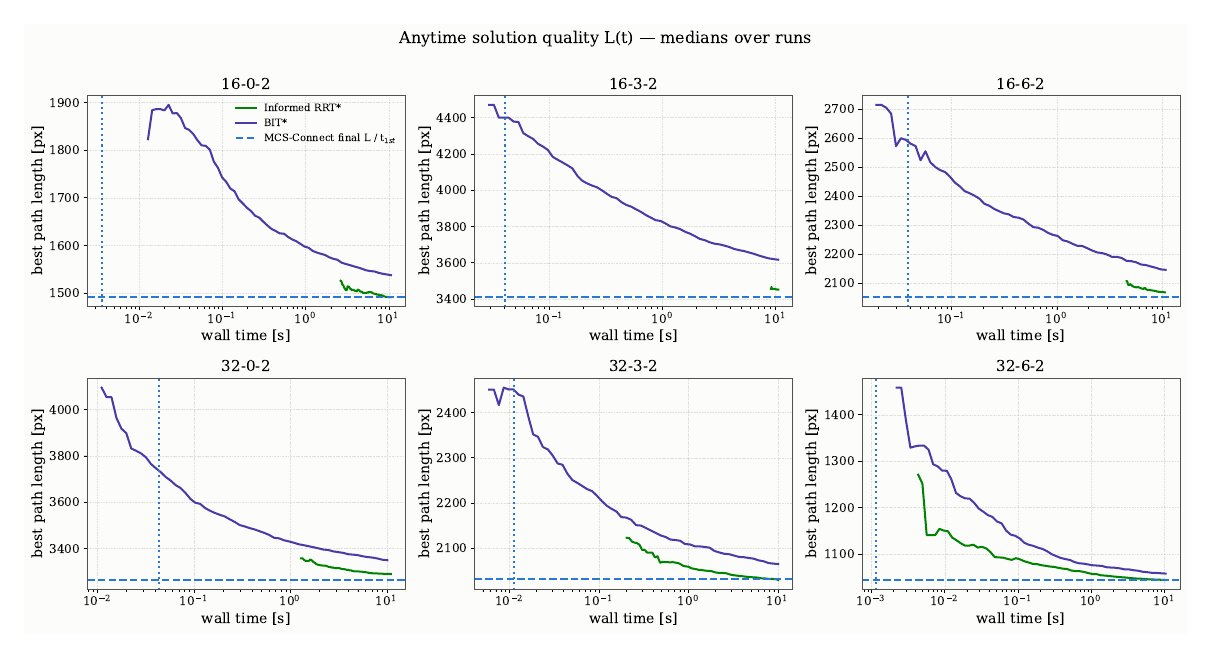
Anytime quality: BIT* and Informed RRT* need seconds to reach the length MCS-Connect returns at once
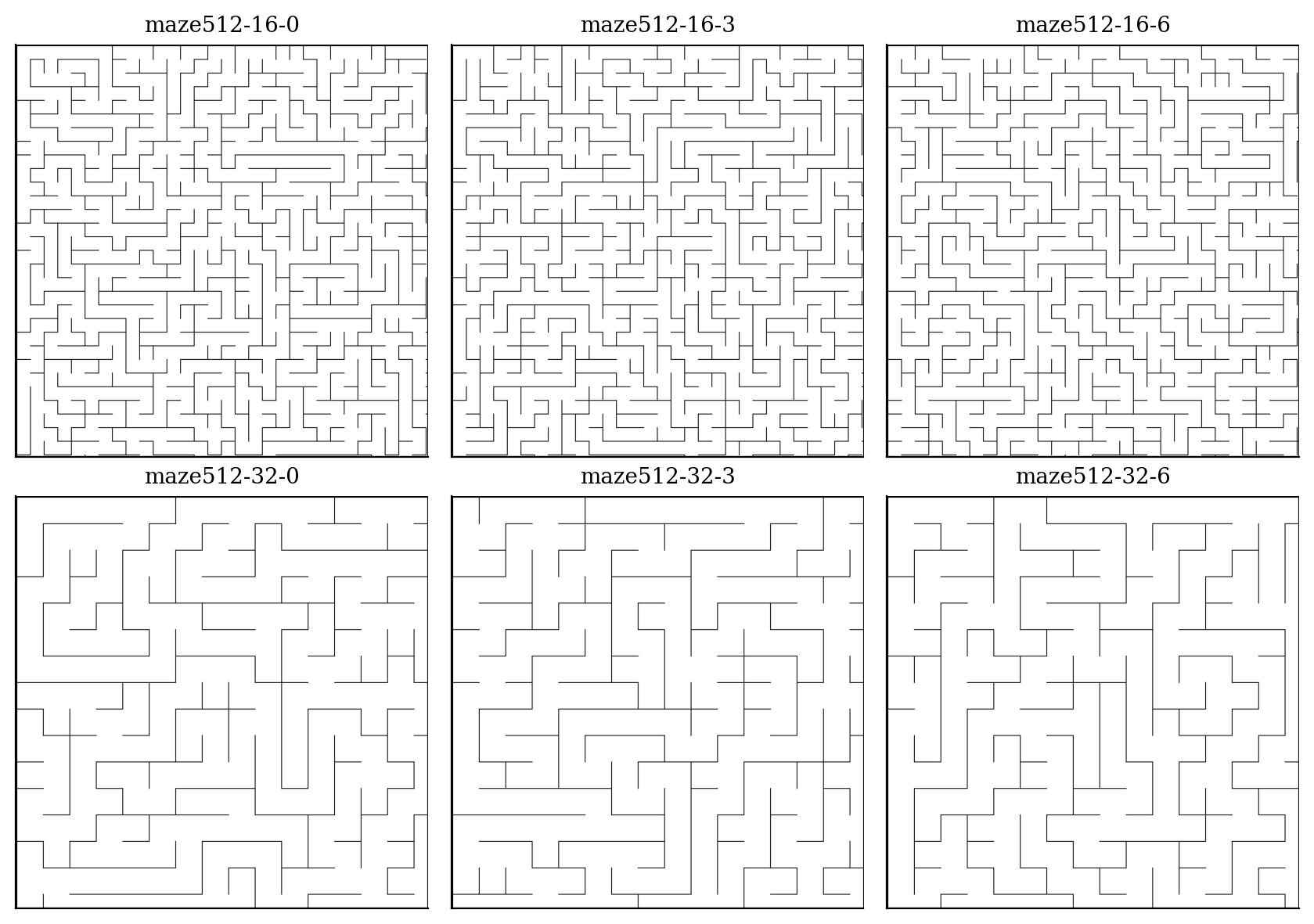
The six MovingAI maze benchmarks

Embedded Control · Propulsion

Custom EFI and ECU for a DLE 60 engine

Converting a carbureted two-stroke UAV engine to electronic fuel injection with a self-built microcontroller ECU for closed-loop fuel and ignition control.

ESP32Embedded CEngine control
Past Projects

Mobile Robotics · ROS 2

Robot navigation and SLAM in ROS 2

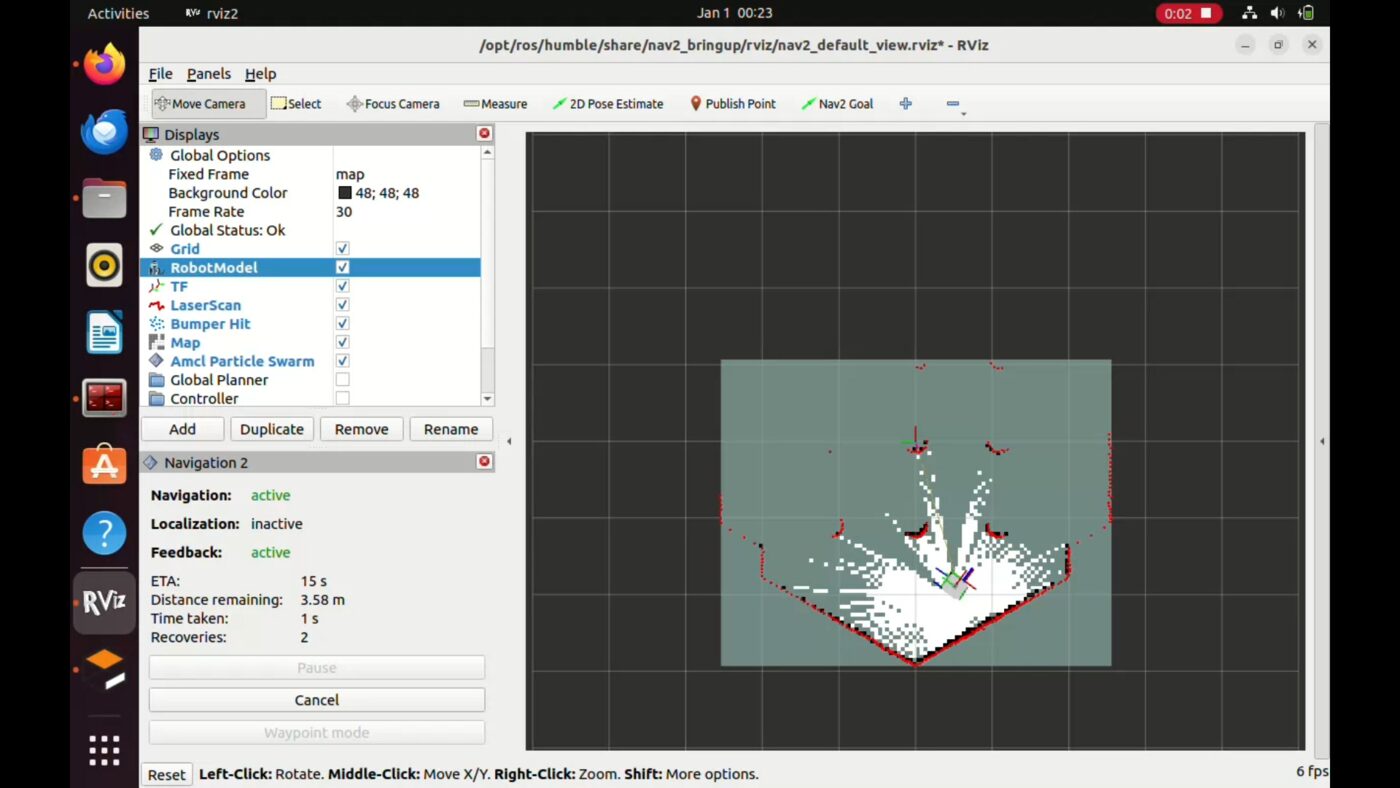
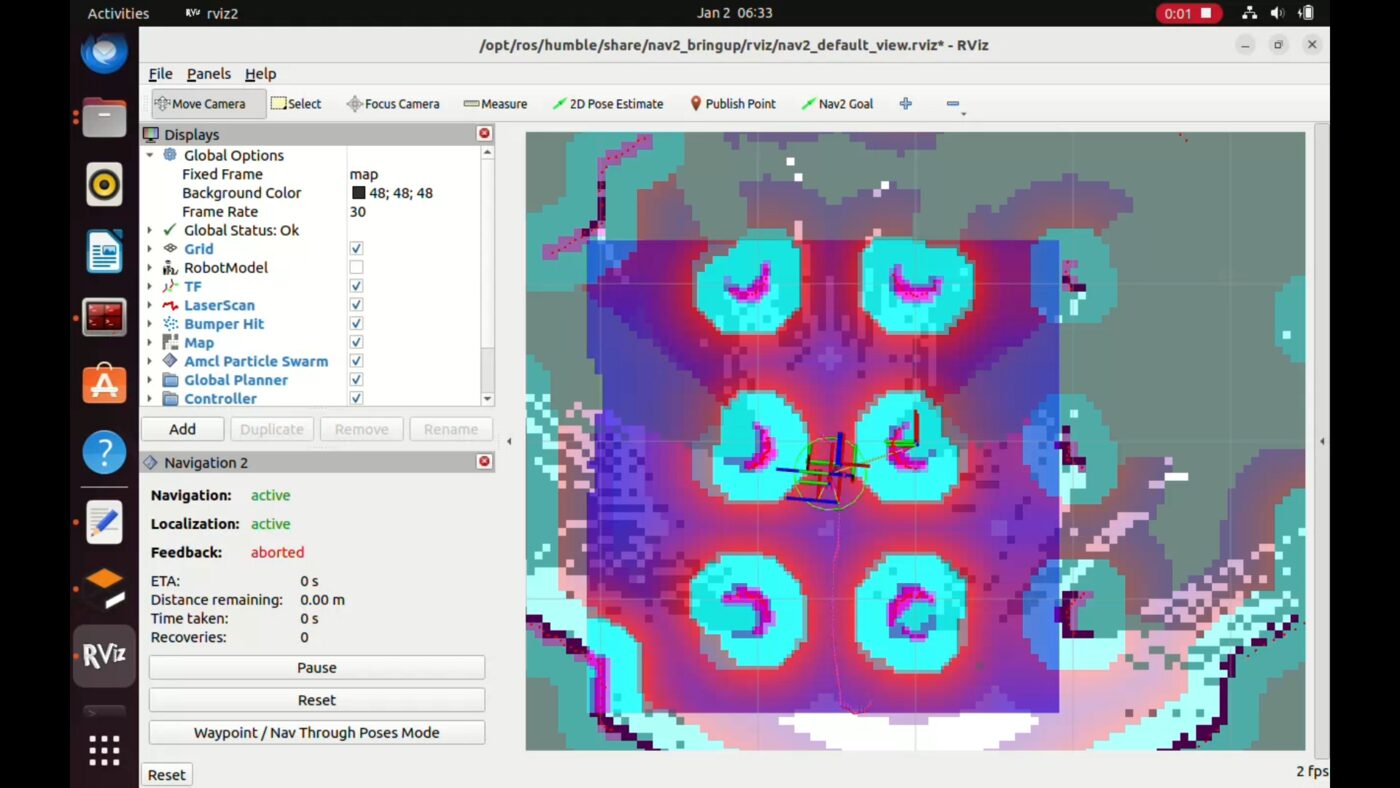
Mapping, localization and autonomous navigation of a TurtleBot3 Waffle in ROS 2 Humble. Graph-based occupancy-grid mapping with slam_toolbox, localization against the saved map, and Nav2 path planning to goal poses, then re-run with Gaussian noise injected into the sensor model to study how localization degrades.

ROS 2 Humbleslam_toolboxNav2GazeboRViz
Animation
Building the occupancy map with slam_toolbox (3x speed)
Animation
Nav2 planning and driving to a goal pose (2x speed)
Animation
Localization with large sensor noise (σ = 0.1)
TurtleBot3 in the Gazebo world
Completed map used for localization

Manipulation · Control

Liquid pouring with a ROT3U robotic arm

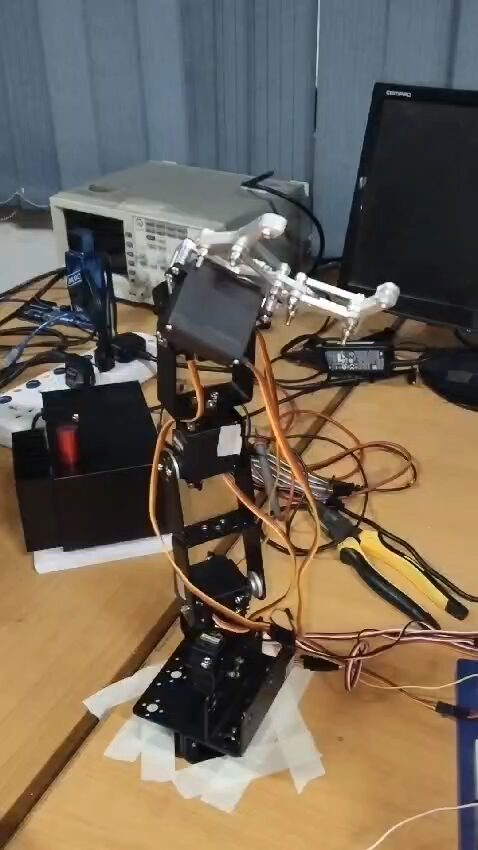
An application module inspired by liquid-metal pouring in foundries, one of the dull, dirty and dangerous jobs robots should take over. Inverse kinematics gives the joint angles for each waypoint, smooth joint trajectories are generated between them, and an Arduino drives the servos to pick up a cup, pour into a second cup and return home.

Inverse kinematicsTrajectory generationArduinoServo control

Animation
Pick, pour and return demo (1.5x speed)
The ROT3U arm on the bench

Machine Learning · Signal Processing

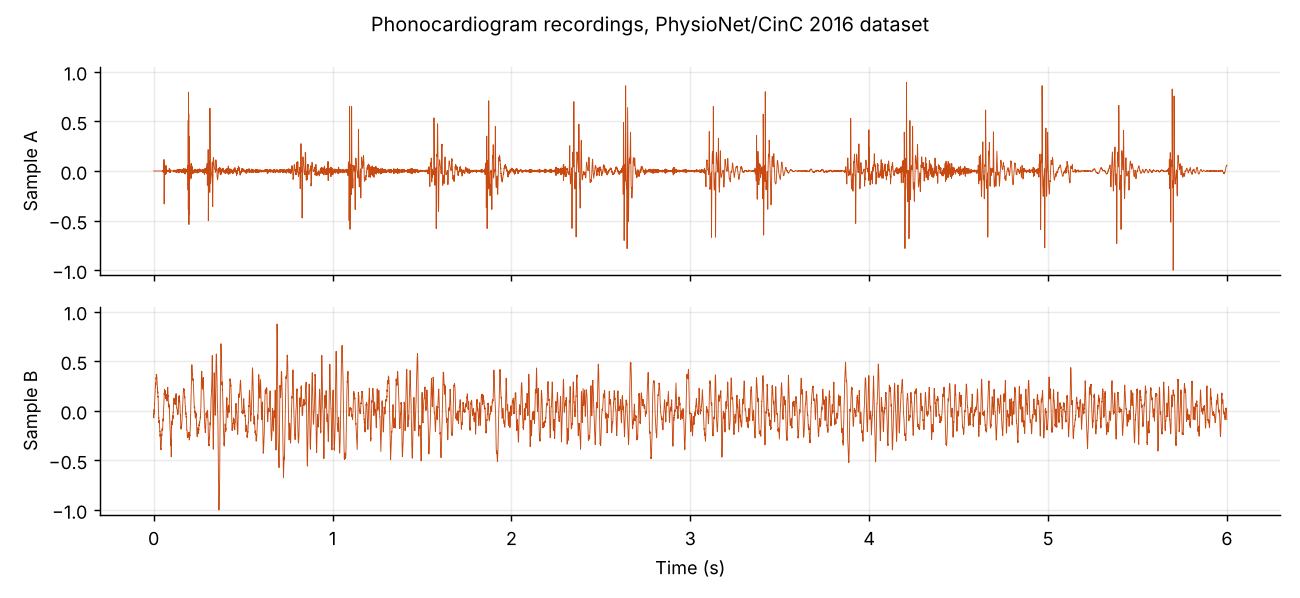
Pathology classification in phonocardiograms

Classifying heart-sound recordings as normal or abnormal using the PhysioNet/CinC 2016 dataset. Features such as zero-crossing rate, MFCCs and spectral statistics are extracted with librosa and fed to a gradient-boosting classifier. The trained model is served through a small Flask web app where a user uploads a recording and receives a prediction.

Pythonscikit-learnlibrosaFlask
Two recordings from the dataset
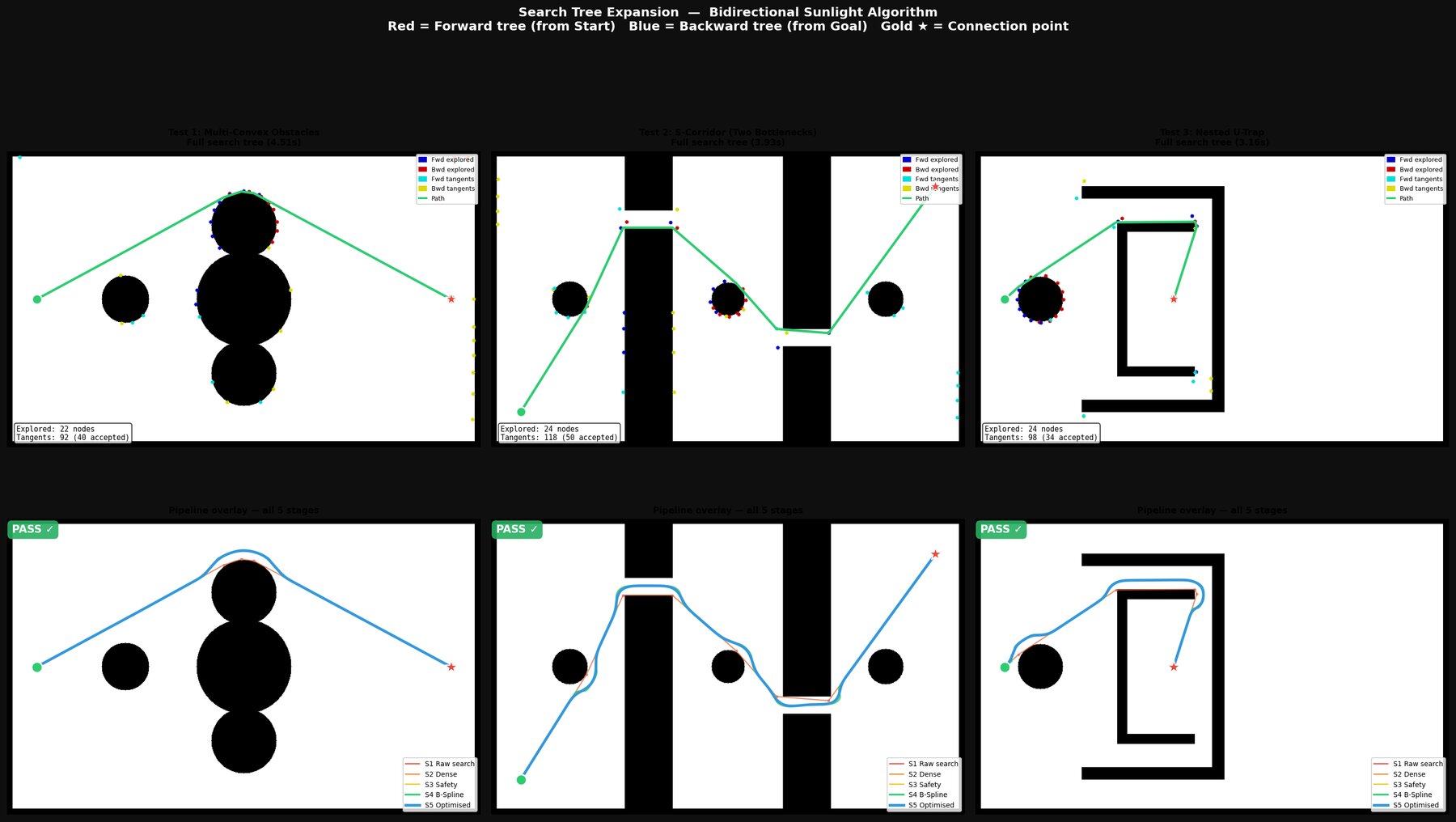
Forward and backward search trees, tangent candidates and the connection point on three stress geometries
Bidirectional tree expansion on three stress geometries

Planning

Sampling-based planner implementations

Implemented F-RRT* and Q-RRT* on image-based maps with real-time visualization and metric tracking, benchmarked kinodynamic planners on Dynobench unicycle environments, and built the bidirectional search-tree visualizer used to validate MCS-Connect on multi-convex, S-corridor and nested U-trap geometries.

RRT*KinodynamicOpenCVVisualization

Planning · Optimization

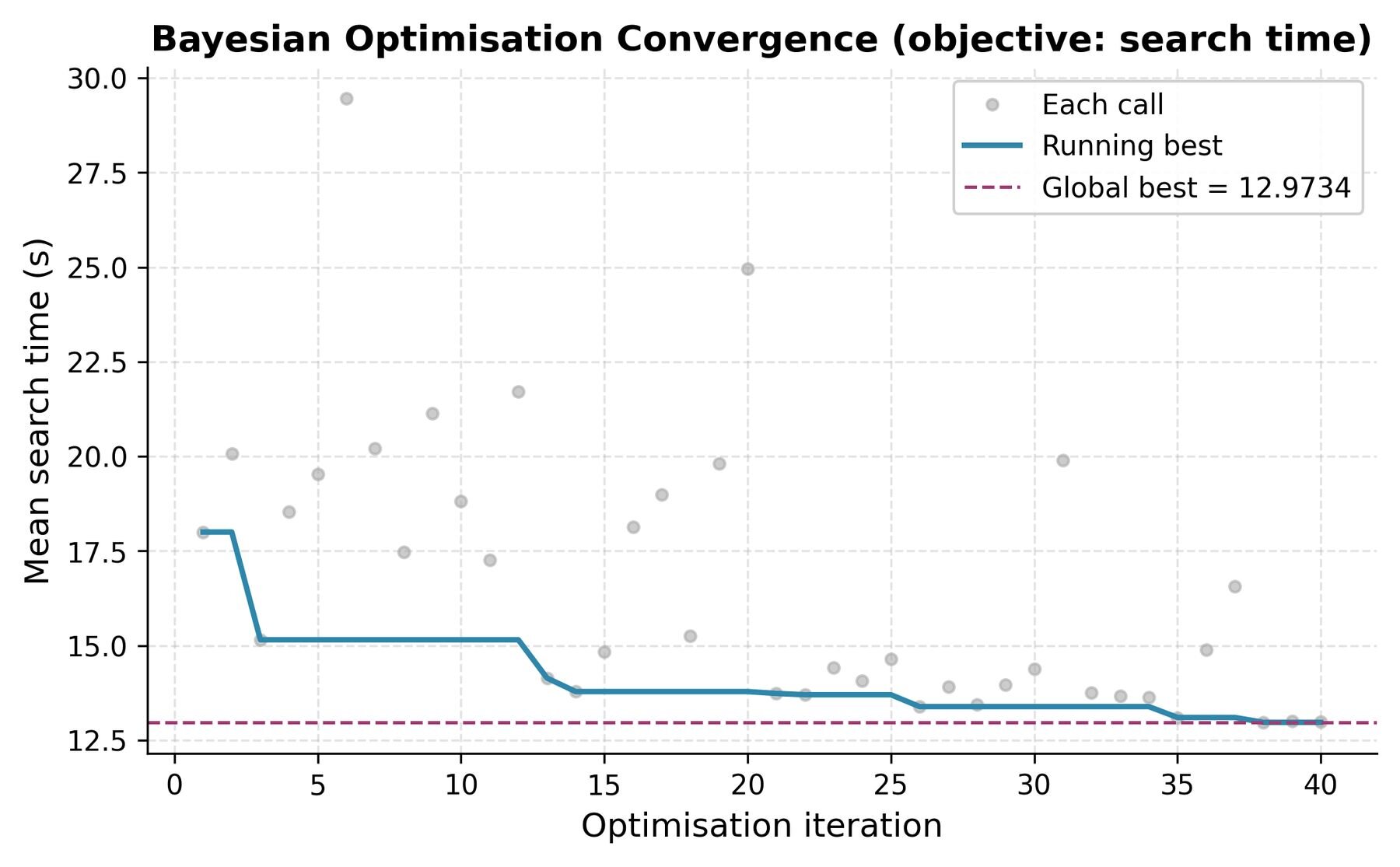
Bayesian optimization and sensitivity analysis for planner tuning

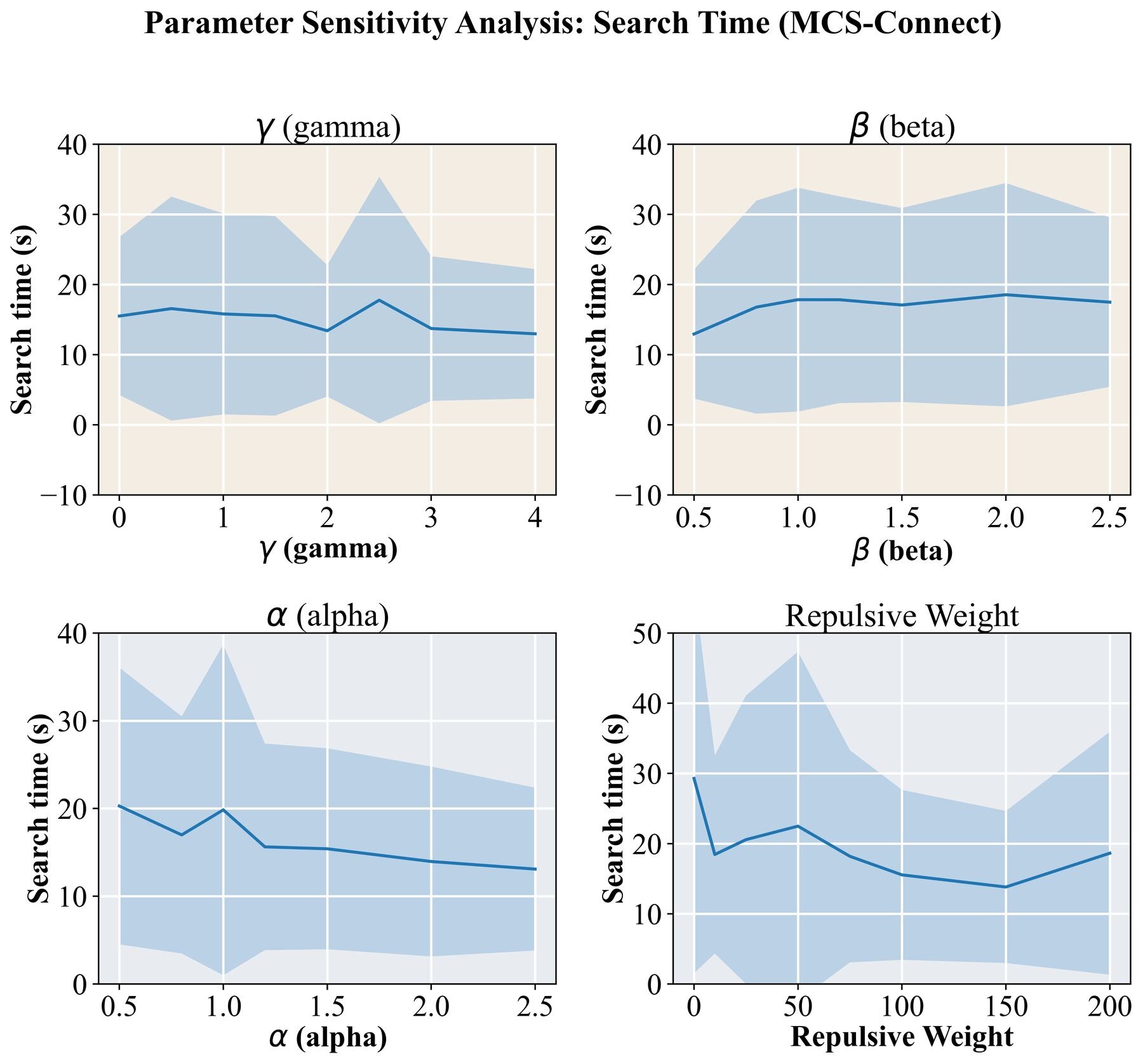
Gaussian-process Bayesian optimization (expected improvement) over the planner's cost-function parameters, minimizing mean search time, followed by one-dimensional sensitivity sweeps around the optimum to show which parameters matter and how flat the optimum is. Three analysis modes and paper-quality figure output.

Bayesian opt.Gaussian processesPython
Convergence of the best mean search time over 40 iterations
Sensitivity sweeps for the four tuned parameters

Human-Robot Interaction

NAO receptionist and guide robot

Customized a NAO humanoid to greet and guide visitors for the NUST-Coventry Human-Robot Interaction Lab.

NAOPython

UAV Design & Propulsion

Industry · ~5 years

Almost five years of fixed-wing UAV development, from aerodynamic integration and flight controls to leading the propulsion team. This is where I learned how engines, propellers and actuators set the limits a planner and controller have to respect.

Field deployment, catapult launch and flight test of a fixed-wing UAV
Mesum with the transmitter beside the launcher
Pre-launch checks at the launcher

Propulsion Systems

Team lead · team of 6

Piston-Prop

Engine test benches and propeller matching

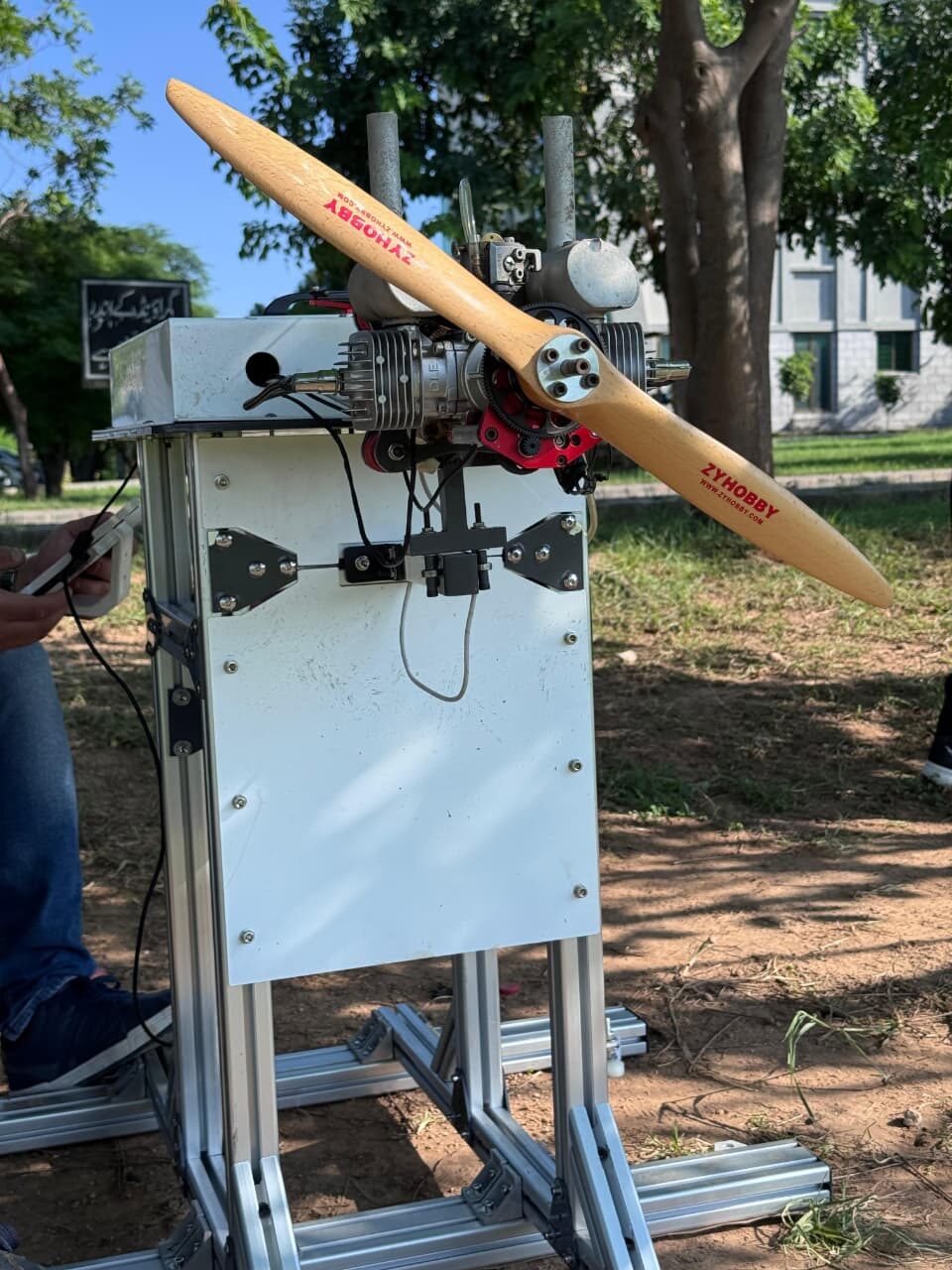
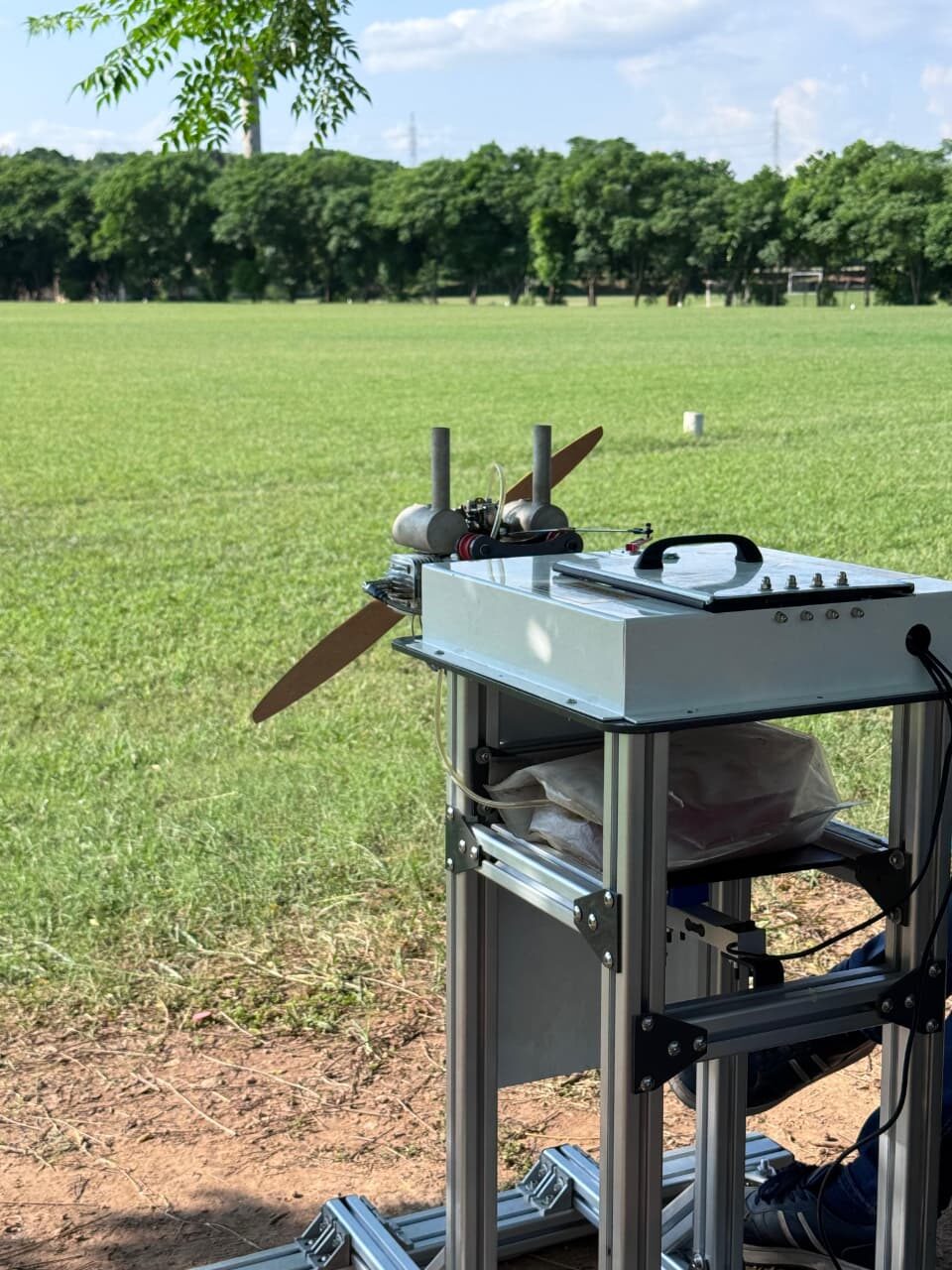
Designed and built thrust-stand test benches for small piston engines, used for break-in, tuning and propeller matching. Outdoor runs measure static thrust and RPM against throttle so the engine-propeller pair can be matched to the airframe across its flight envelope.

Engine testingThrust standProp matchingData acquisition
Test bench with a two-blade propeller
Field test setup
Field test setup
Animation
Engine run on the stand
Animation
Bench test in the field

Gas Turbine

Micro turbojet testing

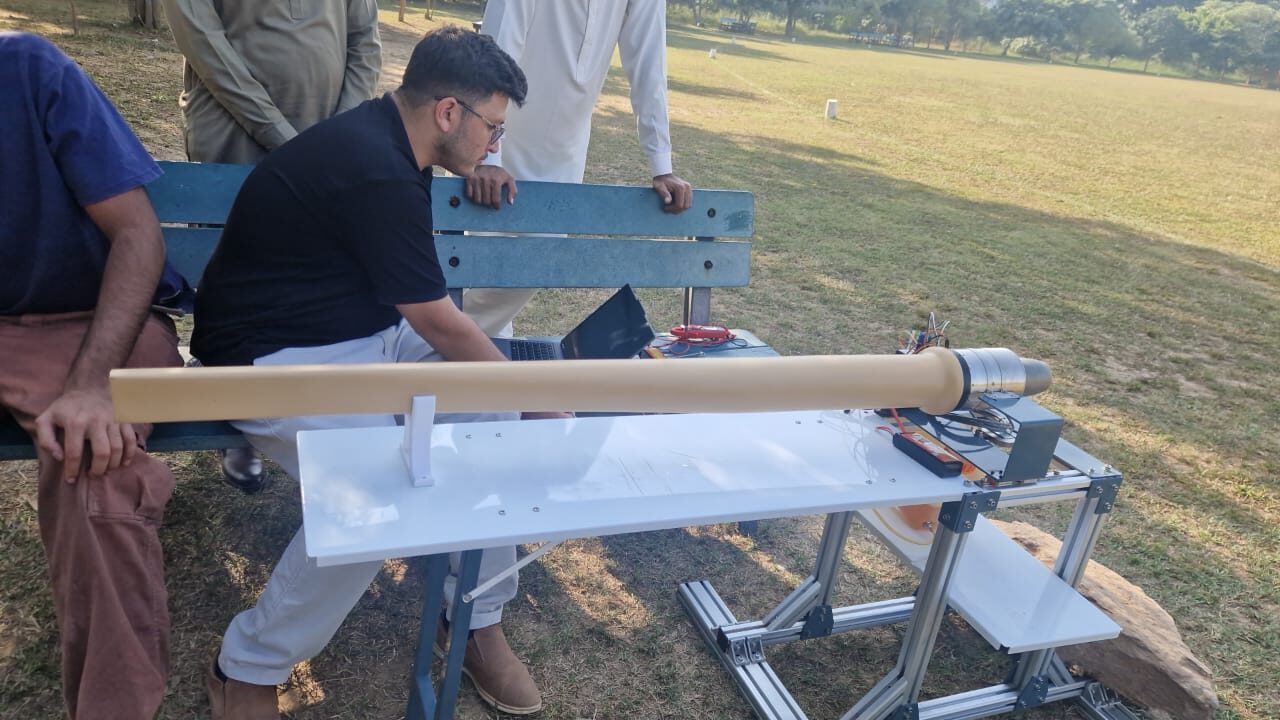
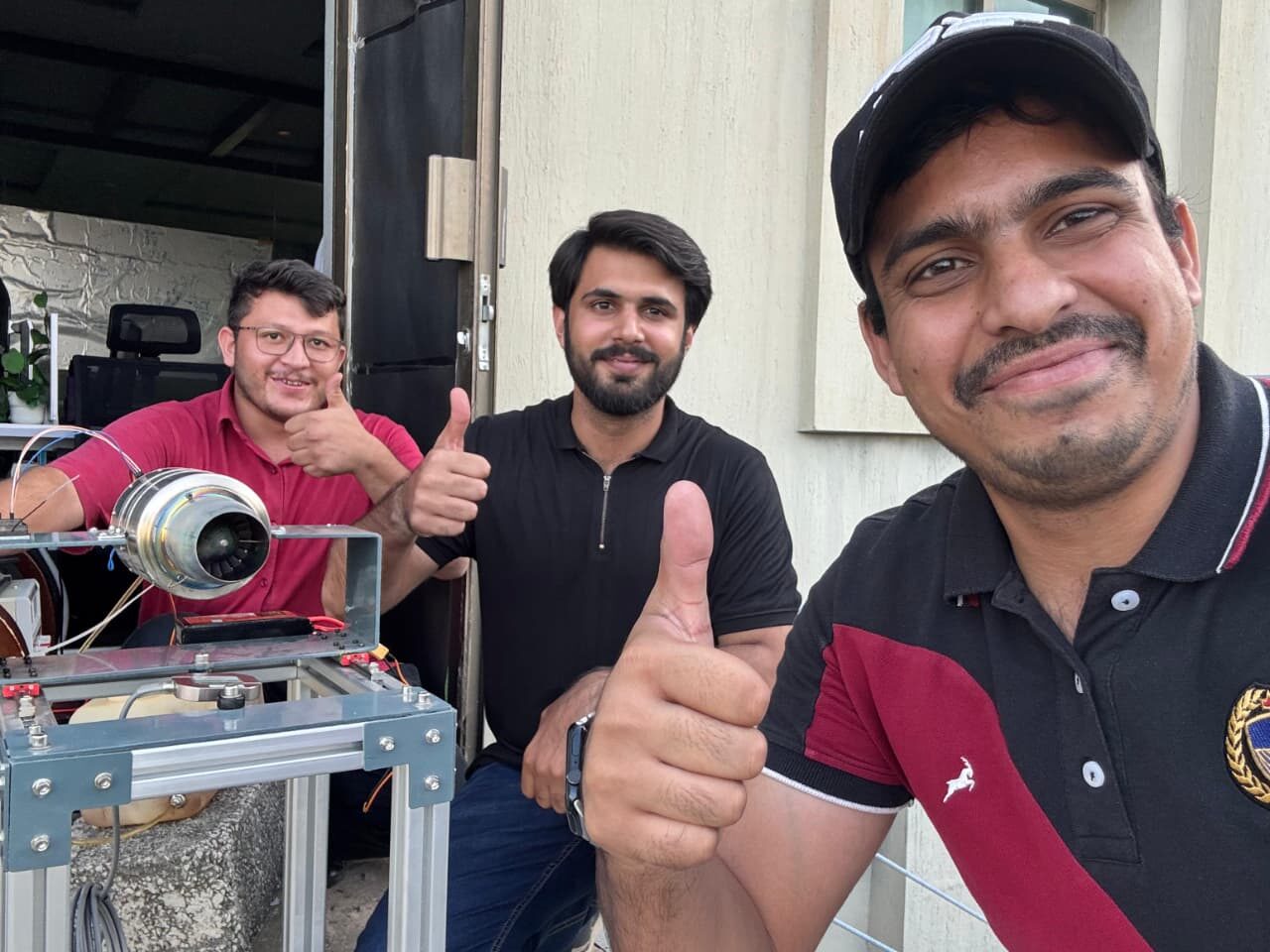
Ground testing of micro turbojet engines on an instrumented stand: start-up sequence, thrust and temperature readings, and integration checks ahead of installation on high-speed platforms.

TurbomachineryTest standIntegration
Animation
Turbojet on the test stand
Engine mounted for a static run
The test team
The test team
Full test video (3 min)
Complete micro turbojet ground run

Solid Rocket Motors

SRM design, optimization and multiphysics analysis

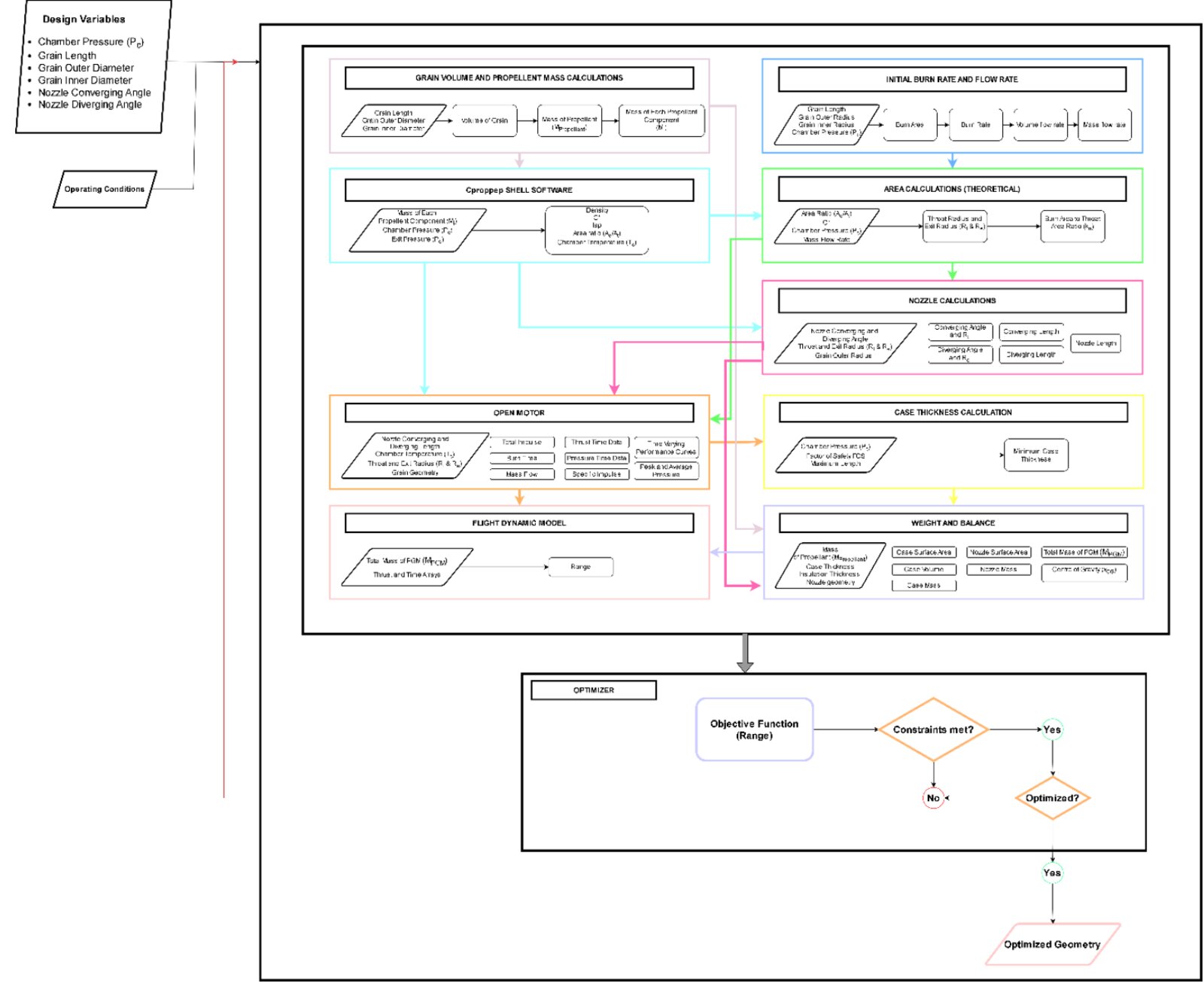
Built an automated modelling and simulation environment that links grain geometry, internal ballistics, nozzle sizing, case thickness and weight and balance, then drives them with an optimizer against mission constraints so that many motor configurations can be evaluated quickly. Leading coupled fluid-thermal-structural analysis of the motor and its components through to static testing.

Internal ballisticsDesign automationOptimizationCFDThermalFEA
Animation
Exploded view, assembly and cutaway of a motor design
Flowchart of the automated SRM design and optimization environment
Automated design and optimization loop
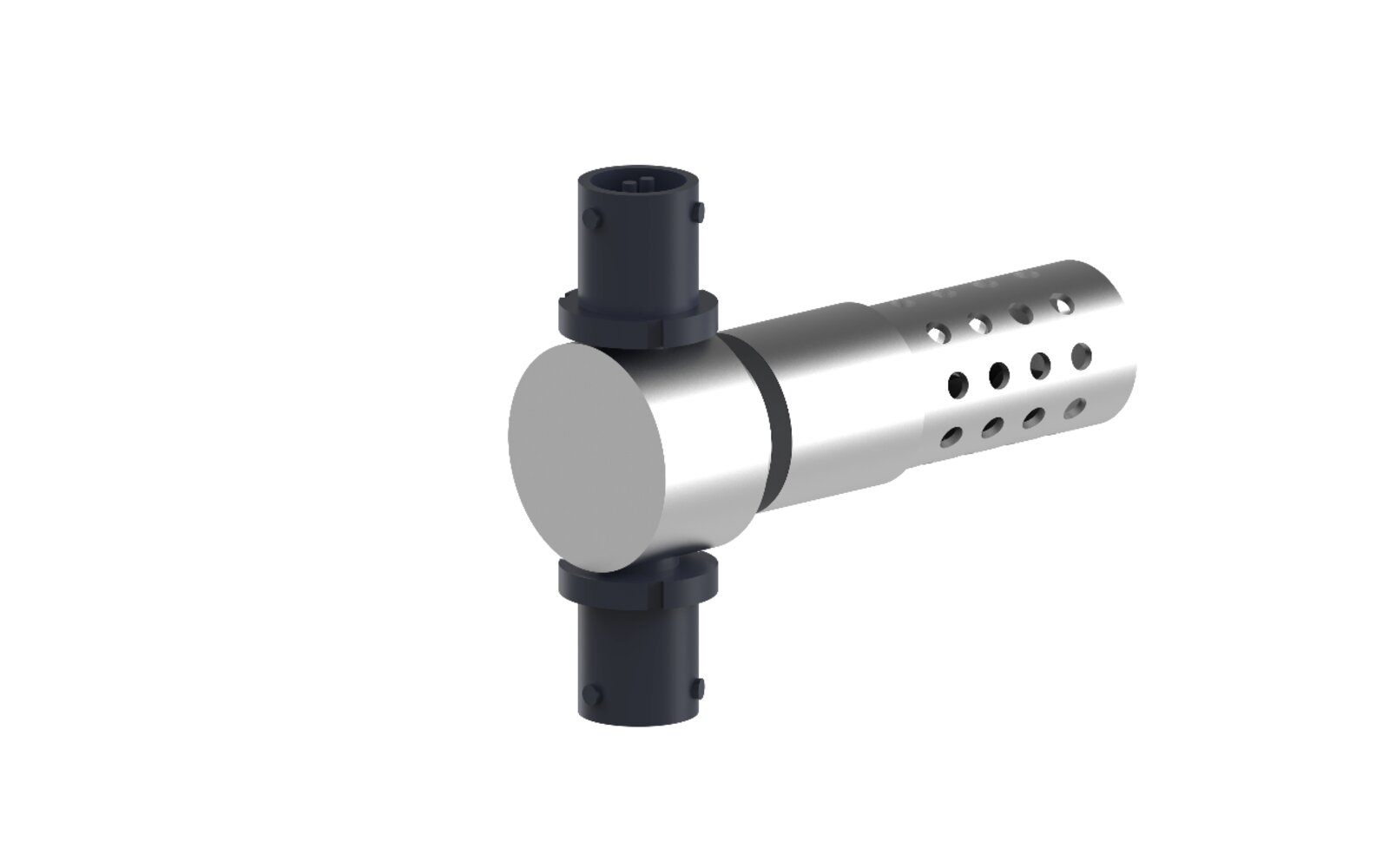
Igniter assembly render
Igniter assembly

Aircraft Design & Aerodynamics

Aircraft Design · BS Final Year Project

Design, analysis and optimization of an electric aircraft

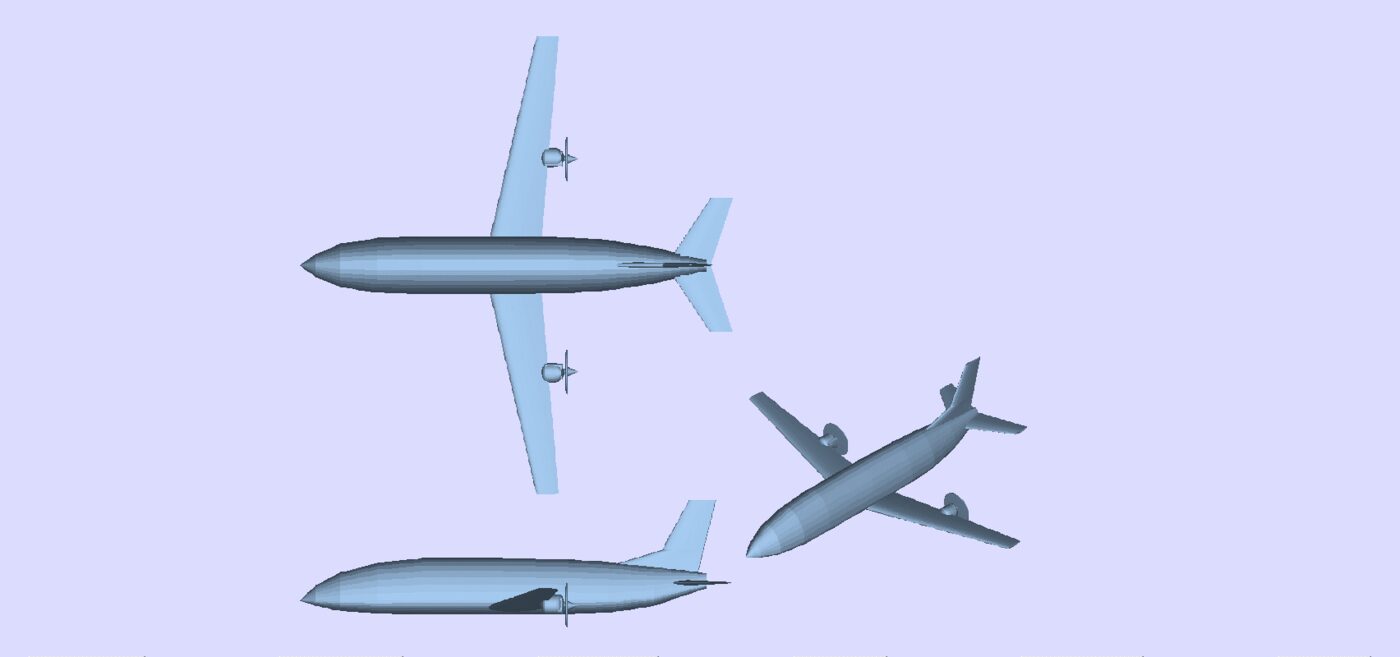
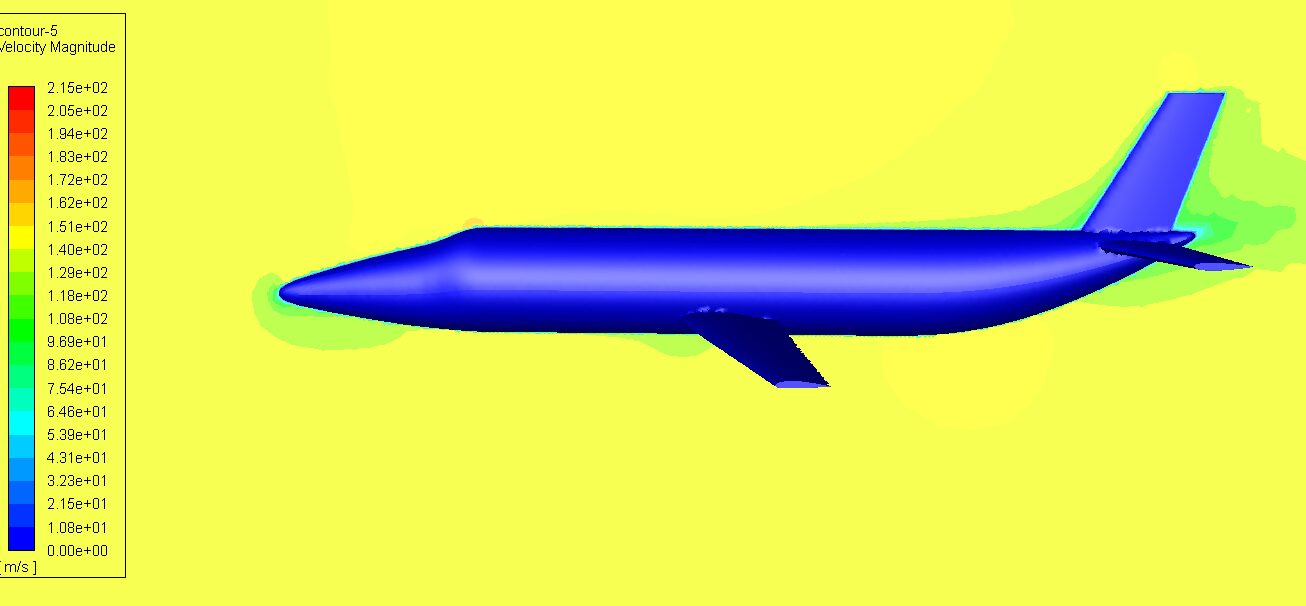
Conceptual design of a battery-electric aircraft: weight, battery and component sizing of a baseline, then optimization with a sizing-matrix plot constrained by range, rate of climb and take-off distance. The optimized design was modelled in CATIA and checked with CFD, aerodynamic, propulsion, battery and performance analyses.

Aircraft designCATIAANSYS CFDMATLABVSPAeroQBlade
Three-view of the optimized design
Surface pressure from CFD

Integration

Inlet, nacelle and duct aerodynamics

CFD-driven design of air inlets, nacelles and cooling ducts for propulsion integration on fixed-wing airframes.

ANSYS FluentInternal flow

Performance

Vehicle performance estimation

Range, endurance and climb estimates built from propulsion test data and aerodynamic models, used to size and select propulsion for each platform.

Range & enduranceClimbMATLAB

Aeroelasticity

Two-way FSI and aeroelastic analysis

Coupled fluid-structure interaction in ANSYS to study structural response and aeroelastic behavior of lifting surfaces.

System CouplingFSI

Flight Controls

Control mechanism for a 6-seat aircraft

Designed the complete manual control linkage for flaps, ailerons, rudder and elevator, with kinematic and inverse-kinematic analysis from stick to control surface.

KinematicsMechanismsCAD

Personal

Engine Control · In progress
Custom EFI and ECU for a DLE 60

My own conversion of a carbureted two-stroke UAV engine to electronic fuel injection, with a self-built microcontroller ECU. It is where my propulsion and control work meet. See in Projects
ESP32Embedded CFuel mapping
Animation

Flying

Multirotor flying

Hands-on time on the sticks keeps me honest about what real vehicles do. Here, a quadcopter flown up to the office window.

MultirotorManual flight

Publications

Journal Articles

Figure from the paper Under review

Magnetically Coupled Sunlight-Connect: Accelerating Bidirectional Path Planning Through Adaptive Inter-Tree Attraction for Unmanned Surface Vehicles in Complex Marine Environments

M. A. Irfani, K. F. Iqbal, Y. Ayaz, M. S. Nazir, K. Faraz

Ocean Engineering, 2026

Theses

Obstacle Avoidance for Marine Robots

M. A. Irfani. MS Thesis, SMME, NUST, 2026. Supervisor: Dr. Khawaja Fahad Iqbal.

Experience

NaqCoDE Technologies · AvRID

Academic Degrees

Professional & Online Certifications

Certificate: Robotics: Computational Motion Planning

Robotics: Computational Motion Planning

University of Pennsylvania, Coursera · May 2025

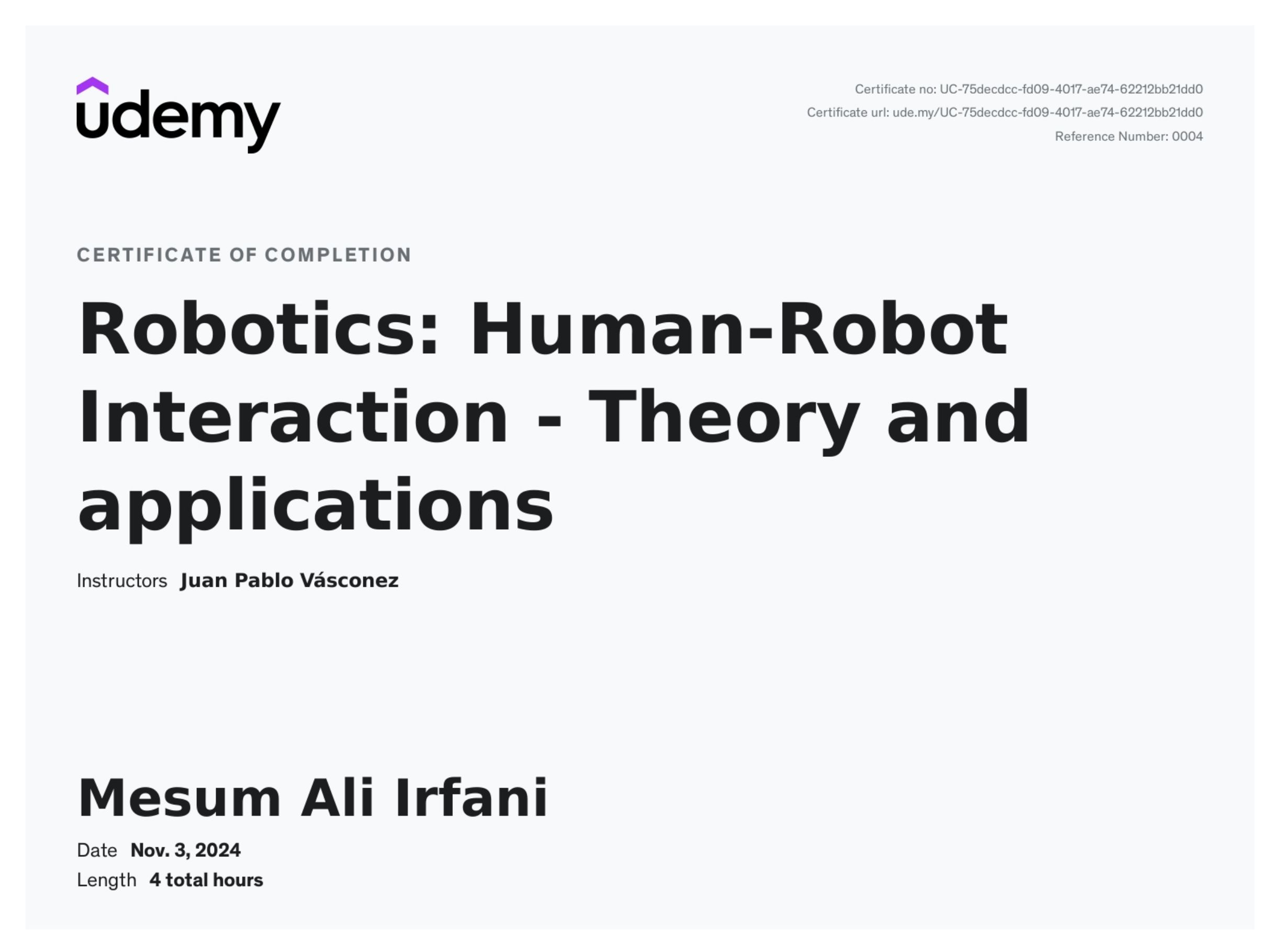
Certificate: Robotics: Human-Robot Interaction

Robotics: Human-Robot Interaction

Udemy · Nov 2024

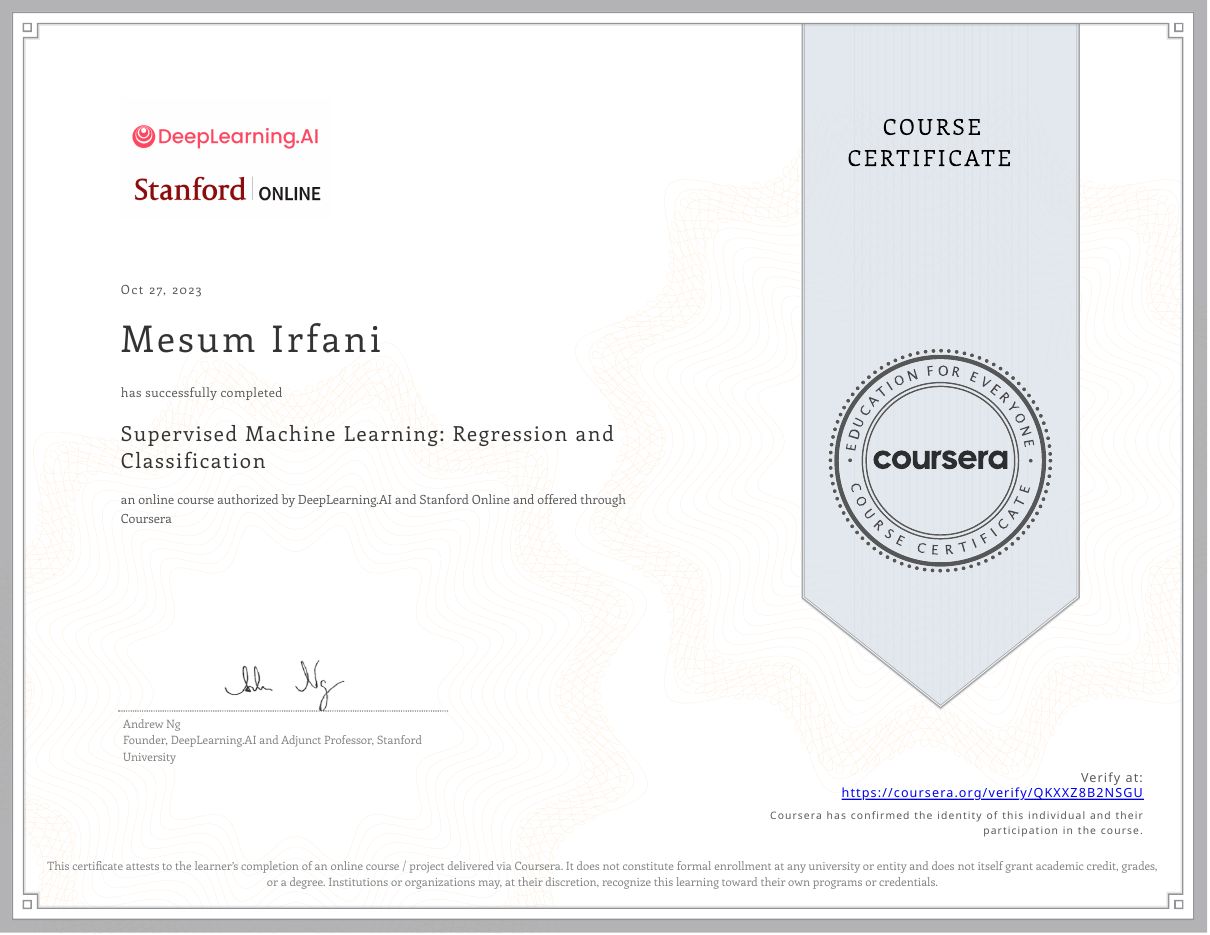
Certificate: Supervised Machine Learning: Regression and Classification

Supervised Machine Learning: Regression and Classification

DeepLearning.AI and Stanford Online, Coursera · Oct 2023

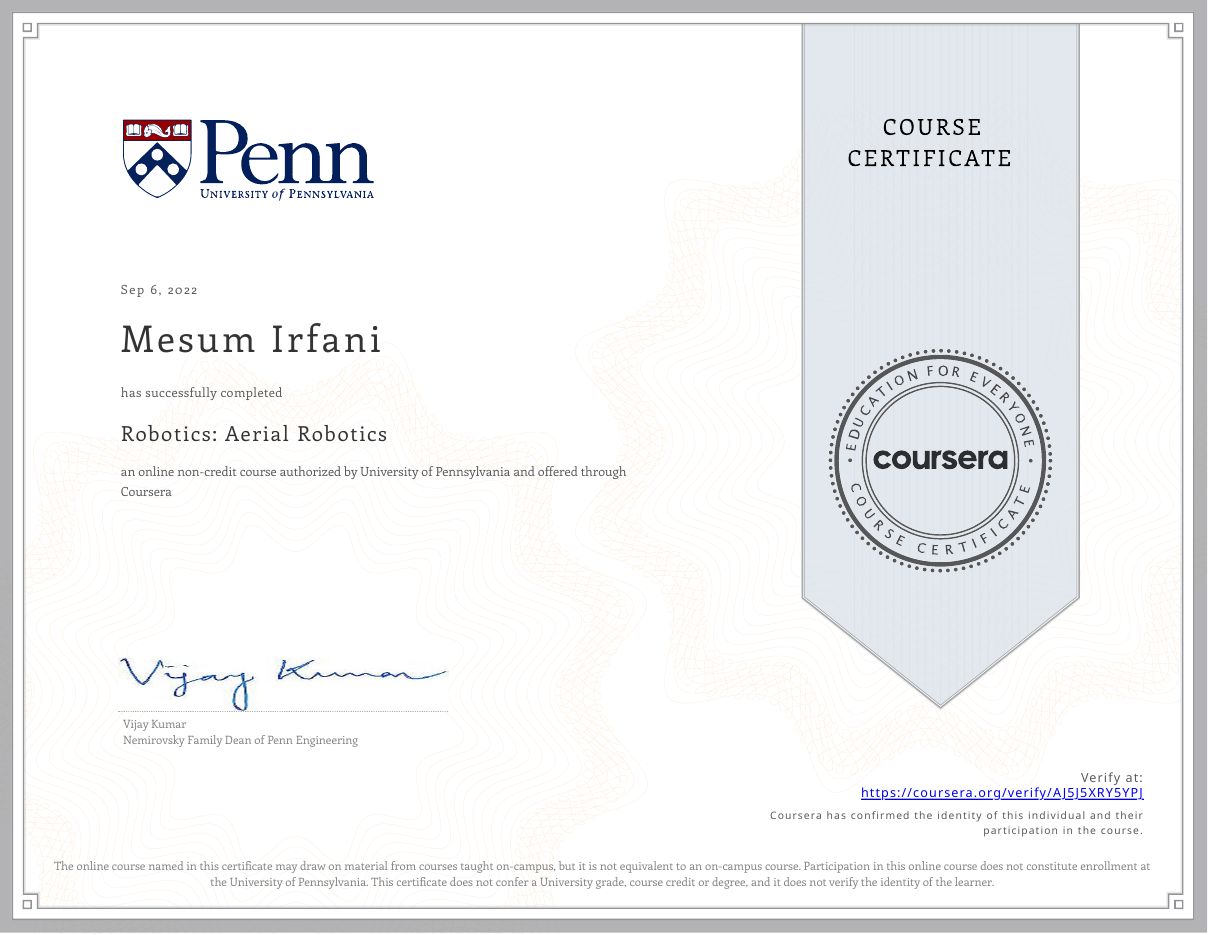
Certificate: Robotics: Aerial Robotics

Robotics: Aerial Robotics

University of Pennsylvania, Coursera · Sep 2022

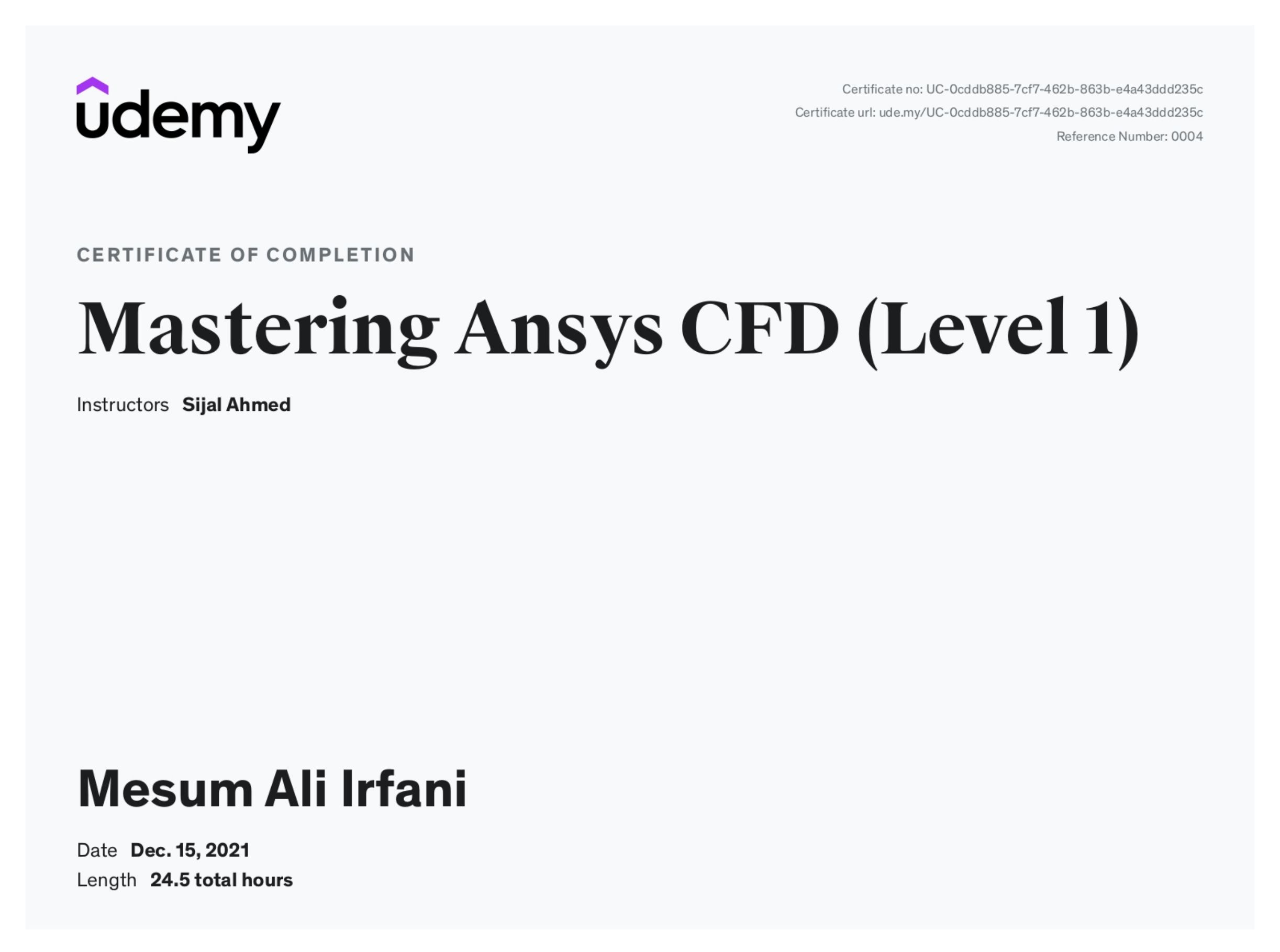
Certificate: Mastering ANSYS CFD (Level 1)

Mastering ANSYS CFD (Level 1)

Udemy · Dec 2021

Honors & Awards

Art

@irfanis_art on Instagram

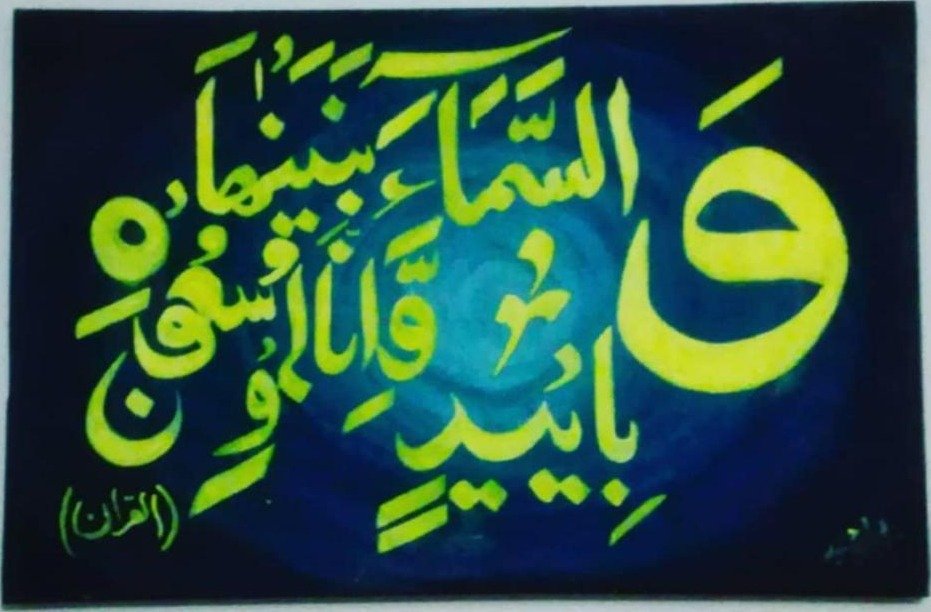
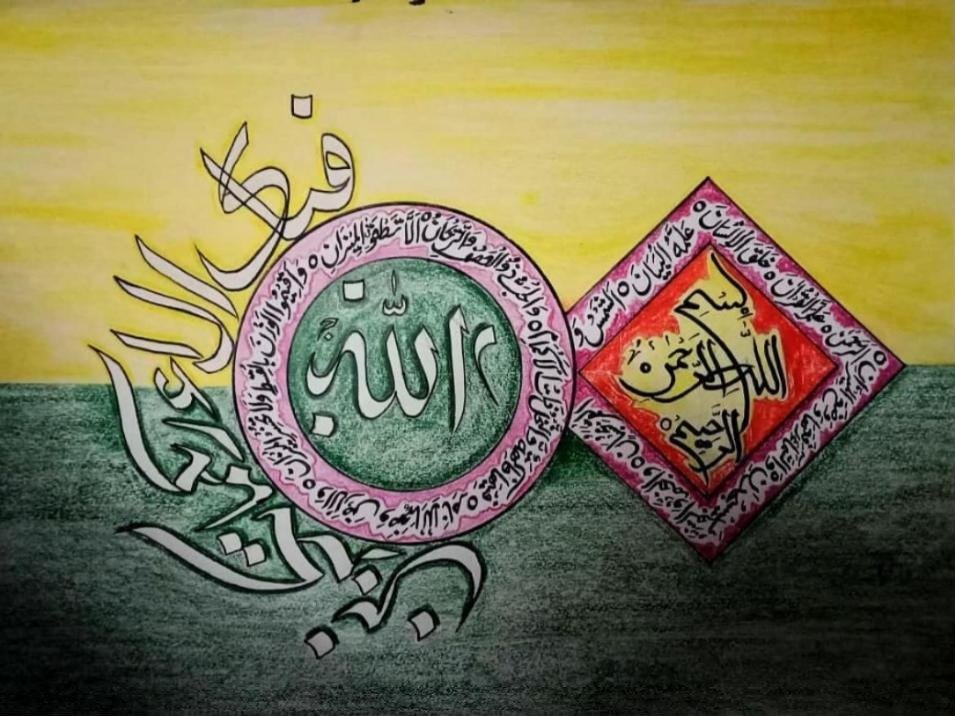
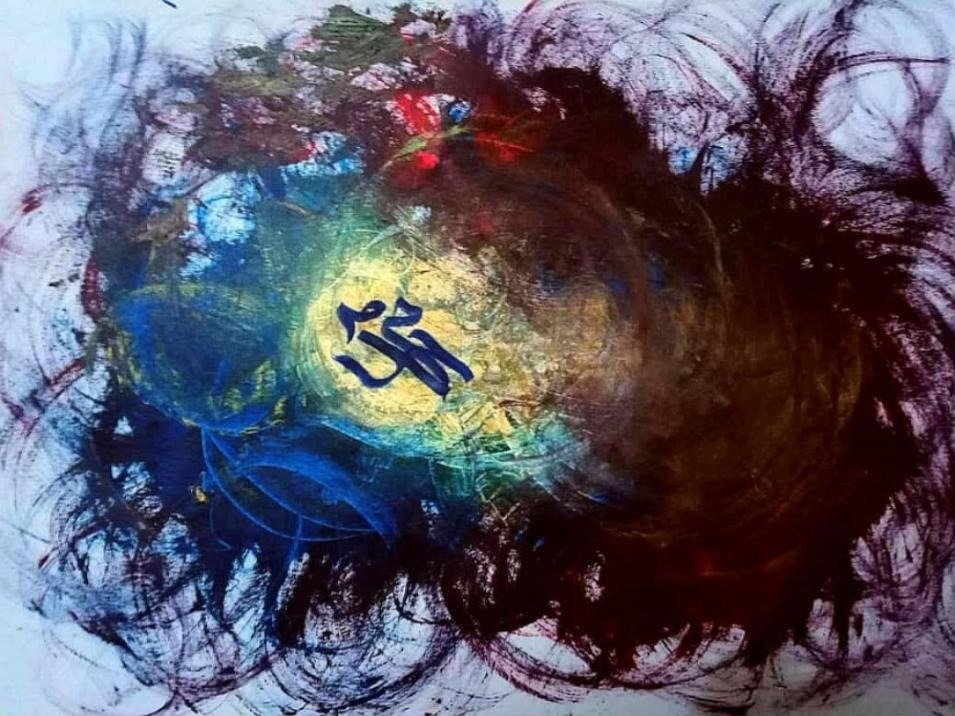
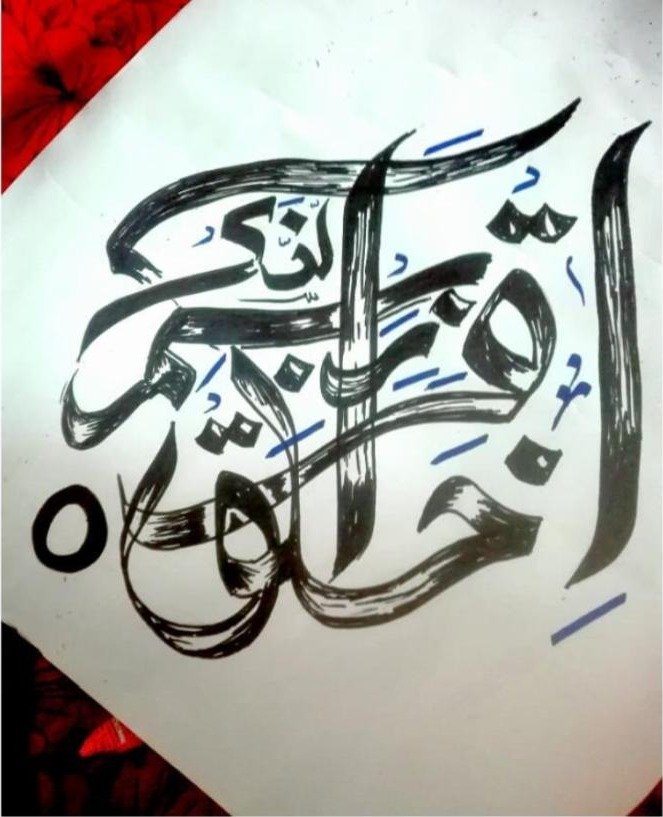
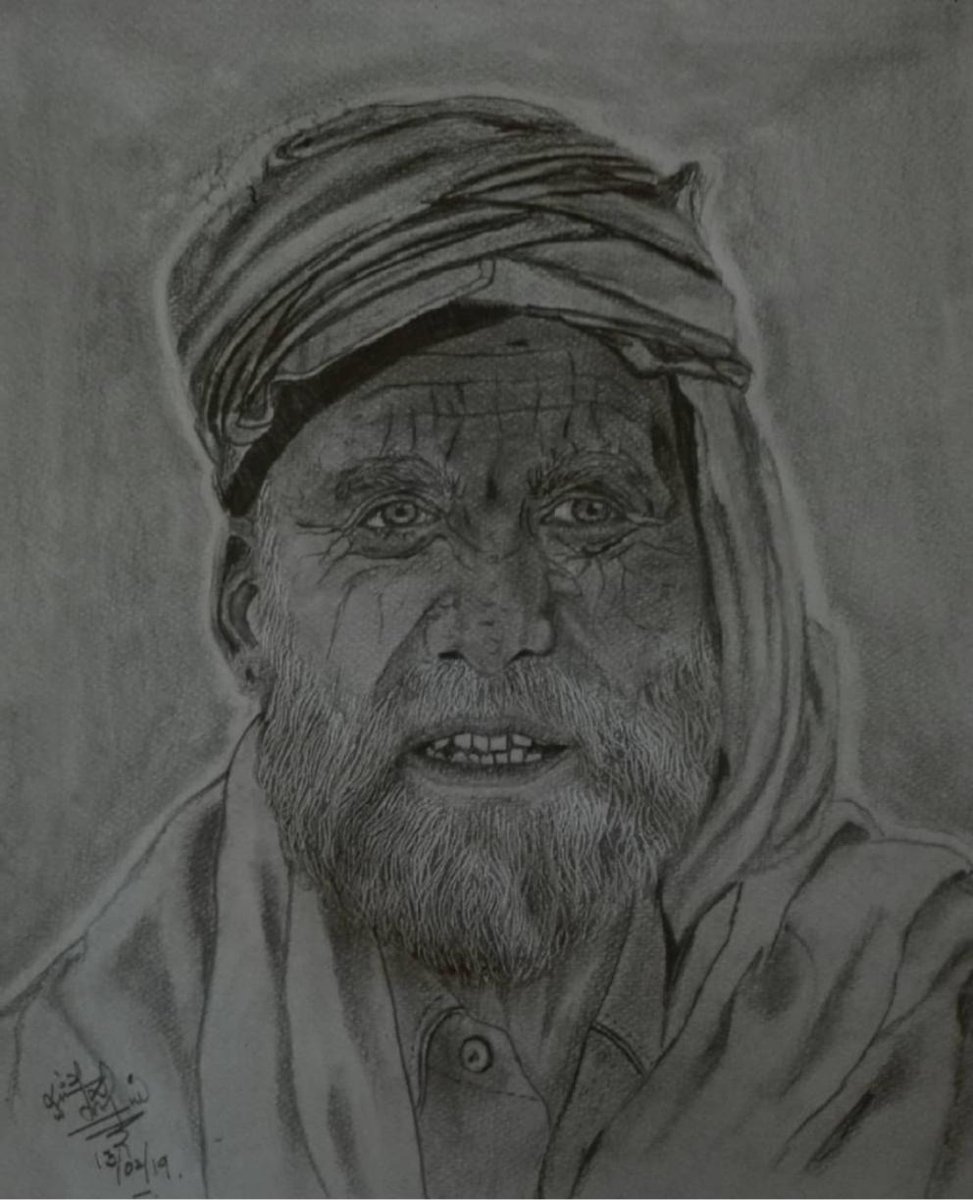
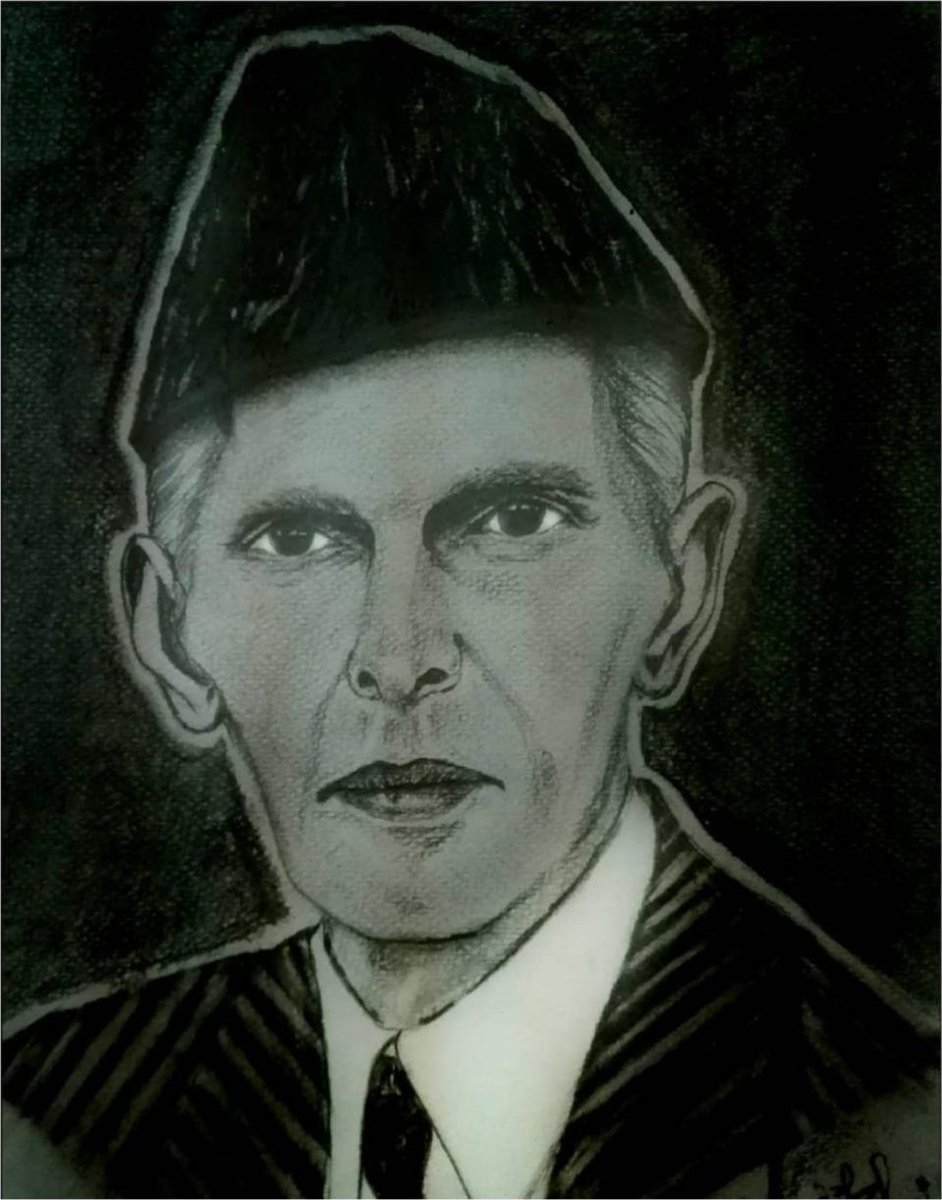
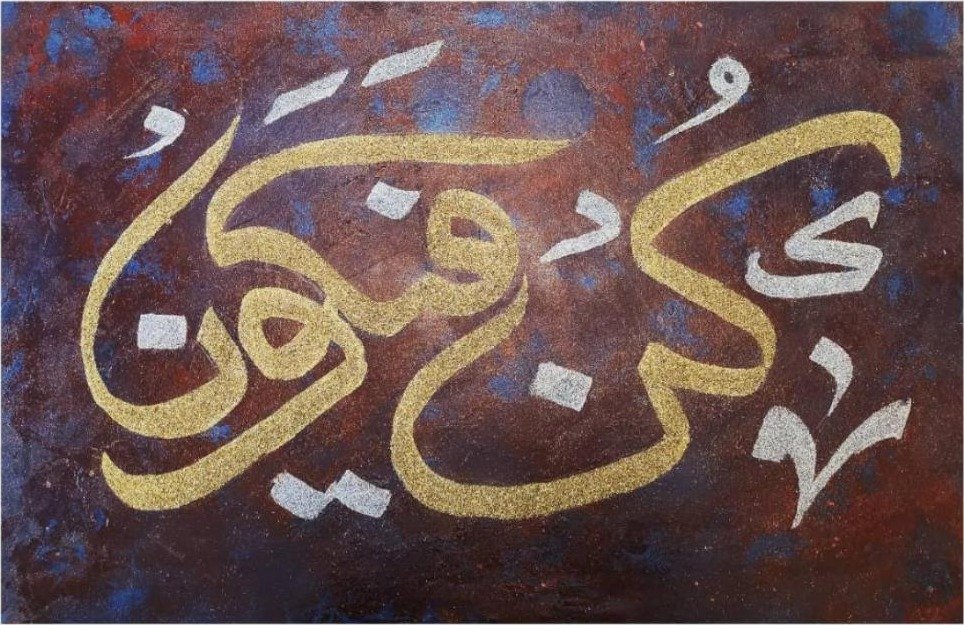
Drawing and painting have been my way of thinking with my hands since school. Most of my work is Arabic and Urdu calligraphy, alongside graphite portraits and the occasional landscape. The pieces below are the ones people have liked most; the full collection, including reels of recent work, is on Instagram.

Calligraphy

Quranic verses and names in ink, acrylic and, once, glitter. Click any piece to enlarge.

Sketches

Graphite portraits, mostly from reference photographs, and one aircraft.

Paintings

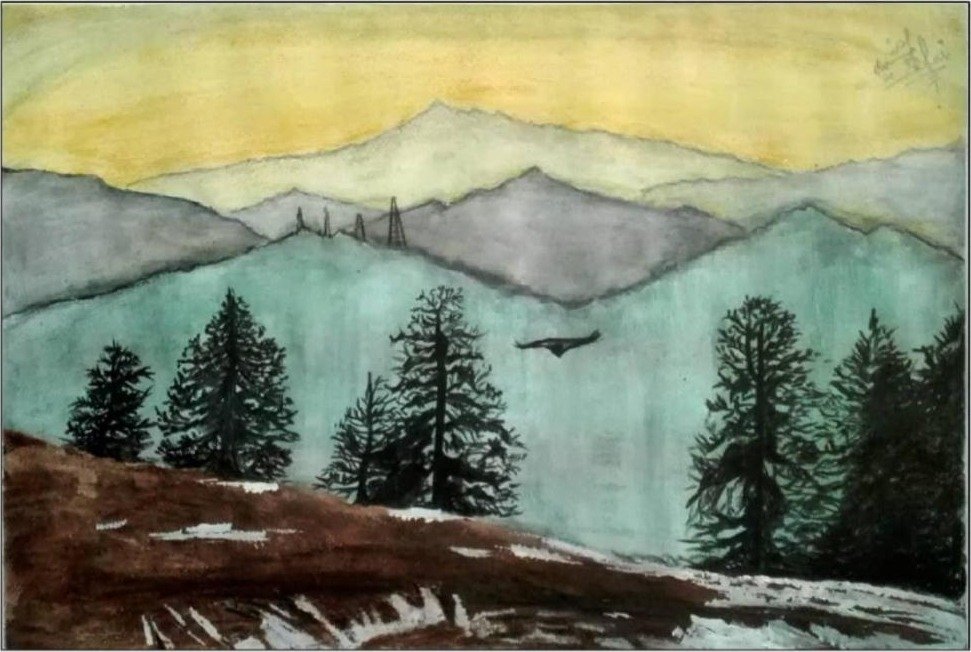
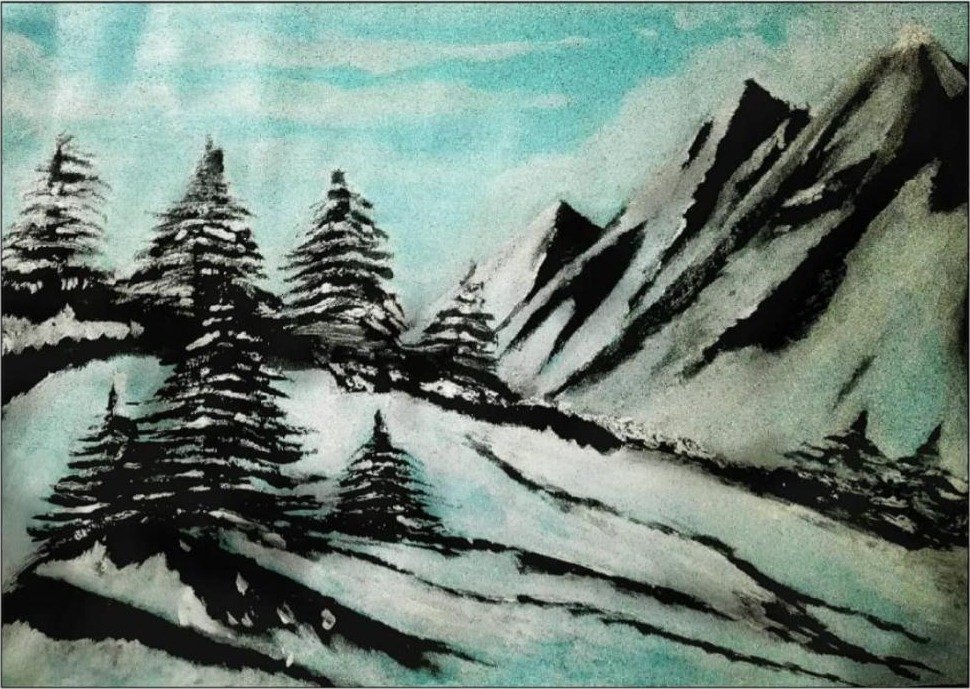
Watercolour and acrylic landscapes.